The News. Those very words can cause a sense of anxiety, it used to be a simple affair, that man in his suit and tie welcoming us all from his carefully mundane news set. Not anymore. Now the news is a reel of events that seem like they would fit better in an anxiety inducing movie plot. Climate change to the Amazon burning down, deadly viruses, dictators and worker exploitation it can be a tough thing to follow. We are here to bring you the latest stories and to give you a survival guide of the terror inducing plot of worldwide news, your how to manual for surviving the zombie apocalypse affair that comes to life on your Facebook feed. Take a breath, we are here to help. So reporting live in three, two, one… Welcome to The News Reel.
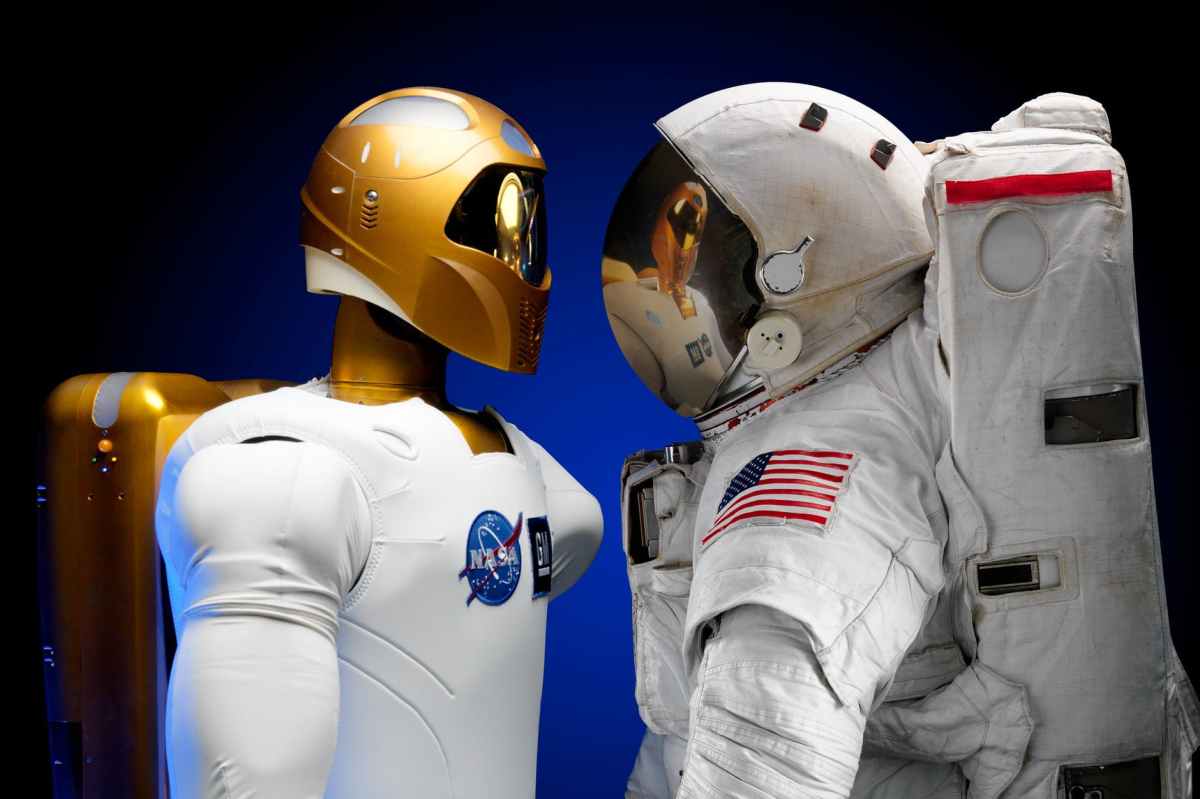
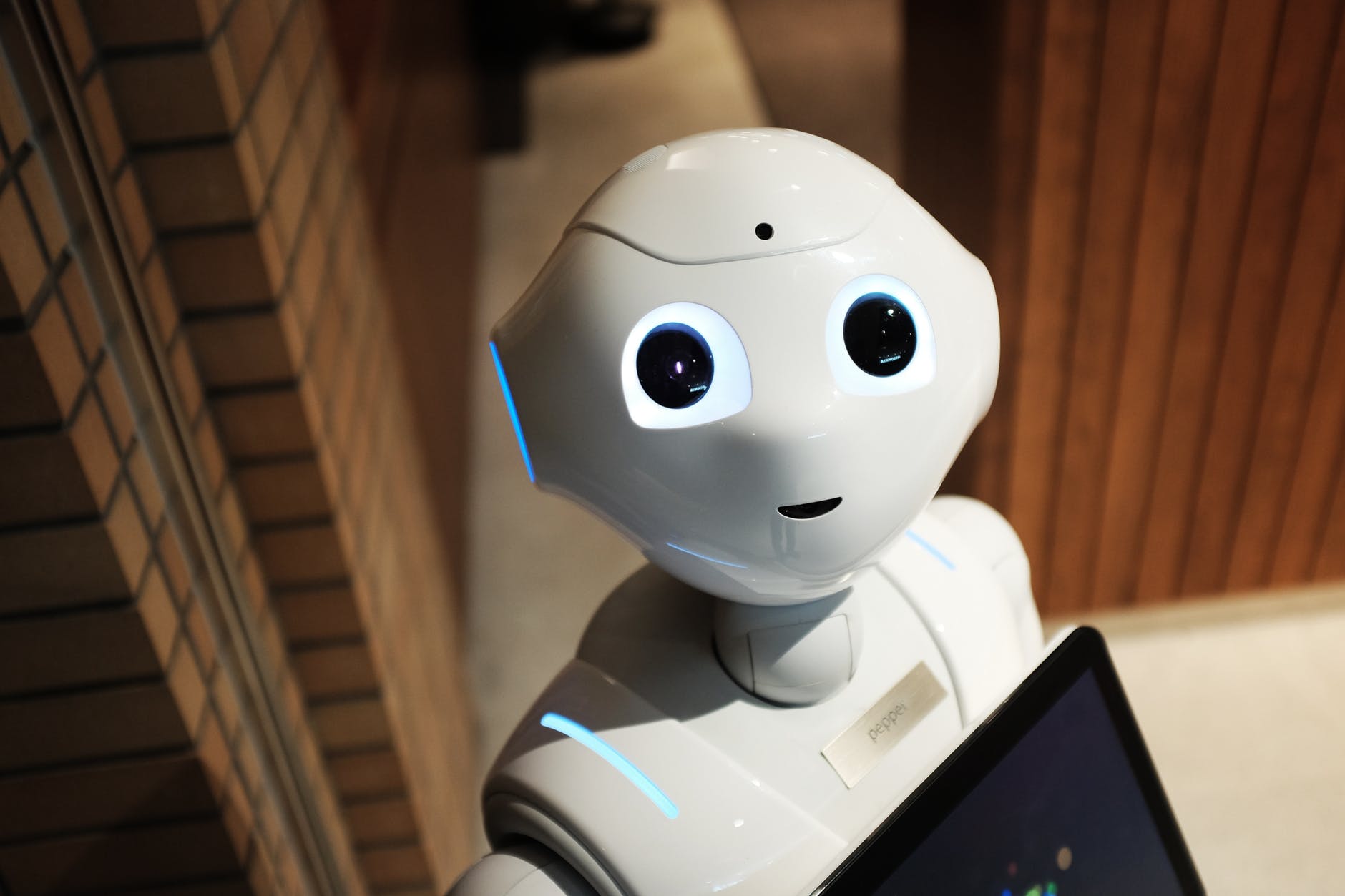
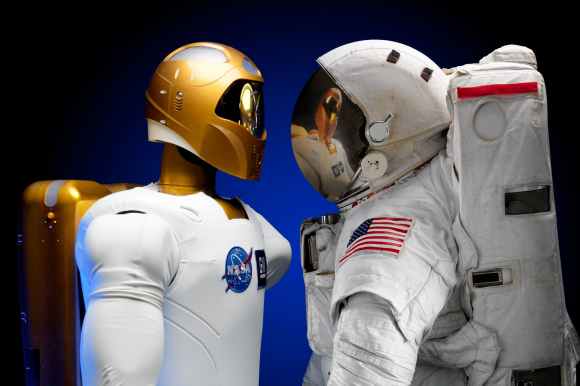
The idea of artificial intelligence has captured the imagination of people around the world for generations. We have been inundated with versions of this story from Hollywood with tales as diverse as Wall-E, Chappie and iRobot and scientist have argued of both the physical and moral implications of such an extraordinary undertaking. But, what actually are the chances of humanity building a real-life AI and if we can, should we?
Could we build an AI?
The short answer to this question is yes. Theoretically, humanity can and quite possibly will build artificial intelligence. Although they might not be quite to Hollywood’s standards, machines with forms of artificial intelligence already exist and are used in a variety of sectors and for various purposes. To be clear though, these are not the super-intelligent and self-aware robots that we immediately think of when talking about AI.
Humanity has made huge leaps in computer sciences within even the last ten years, and although at the moment we don’t have the capability to build that sort of technology it is reasonable to assume that we will and that that day may not be that far away. So if we can make AIs, then the next question comes with should we?
Should we make Artificial Intelligence?
There are experts in theoretical physics and artificial intelligence that believe that an AI may not be the worst thing and will not bring about the end of humanity but rather a new age for it.
The super-intelligence of an AI could solve problems that humanity has grappled with for years. It could create massive breakthroughs in science and healthcare and solve issues such as the climate crisis, worldwide epidemics and space travel in record time. Basically, AI would be the best things since we discovered fire. It could be the tool that humanity uses to leapfrog us into a bigger and brighter future without the pesky problem of having to wait around for evolution to catch up.
However, AI is the classic big risk, big reward gamble. Yes, it could save us all and bring about a time of peace, expansion and prosperity but it could end us all as well.
Stephen Hawking was once quoted with “The development of full artificial intelligence could spell the end of the human race.”
As full artificial intelligence is designed to learn there are fears that it could surpass the intelligence of humanity. To a super-intelligent AI its human creators may become a threat to it or just plain unnecessary and we simply couldn’t compete, we would be the neanderthals and it would be the big bad homo sapiens. We would have made our fire but burnt the forest down in the process. Basically, humanity could be superseded and be killed off or die out. Those cautionary tales that have been playing out on our TV screens may come to life and there may not be the dashing hero to save us.
Because a full AI is new territory, there is no definite way to say how it could all play out and whether it would propel humanity forward or as Stephen Hawking predicted, spell our doom, at the moment is anyone’s guess.
But is it alive?
This perhaps is one of the biggest of the many moral questions surrounding artificial intelligence, when does something become alive? If we can develop something capable of learning and thinking, and possibly even feeling, then what right to life and freedom should it have? And if we can create that what does that make us? What does it truly mean to be alive? That is one of the questions that needs to be seriously considered before we embark down a road of artificial intelligence that we can’t walk back from.
Artificial intelligence is something that is growing more and more within our reach and soon will be something no longer reserved for science fiction. AI technology could bring about unimaginable advancements in science, healthcare, and security and usher in a new age for the human race or could be the thing that ends us all. The ability to build an AI may be coming but the question still remains, just because we can, should we?
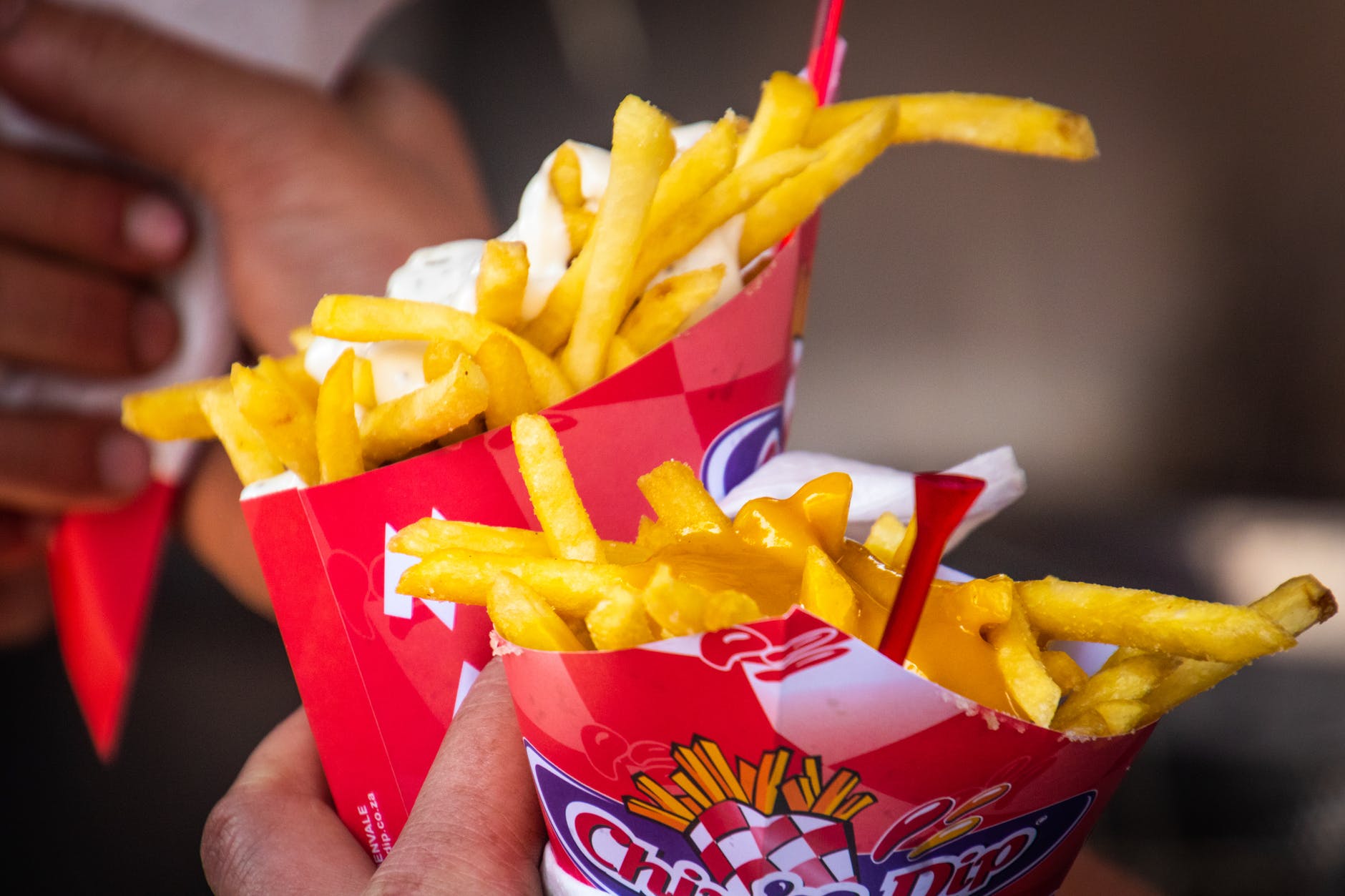
In today’s world, it seems that everywhere we turn, on every news feed and every TV channel there are advertisements for junk food. From worldwide conglomerations to corner store candy shops, our ability to obtain sugar, fat and sodium is easier than it ever has been. Whether we go through a drive-through, find a technicolour store beckoning us in or opt for a home delivery to make us feel like kings, junk food has become the global addiction that none of us seem to be able to kick.
The World Health Organisation (WHO) reports that global obesity levels have tripled since 1975, and the majority of people in the world live in a country where more people die from being overweight than they do from being underweight. Obesity has become a global pandemic that has travelled to every continent and infected every city in the world.
The Cost of an Overweight World
With global obesity levels constantly on the rise, the effects of an overweight world can be felt far and wide. The health effects are an obvious one, obesity has been linked to cardiovascular disease, cancer and musculoskeletal disorders. It has also been found that obesity is a risk factor for those that contract the COVID-19 Virus. The human body was not designed to carry large amounts of excess fat and obesity is a contributing factor in millions of death around the world every year.
A rise in obesity levels can also put a strain on the economy. The more unhealthy a population, the more it costs a country. Rising levels of chronic conditions requiring complex healthcare services and creating a situation in which people can not work is not conducive to making money.
Fast food outlets, often linked to being contributing factors to a rise in obesity levels, also create a significant impact on the natural environment. Increasing factors such as waste from packaging into the environment. In some areas in Australia, fast food stores have been banned in an attempt to stem the environmental impact on these areas.
What Do We Do From Here?
The good news is that the obesity epidemic is not unsolvable. We know how to prevent and how to treat obesity. Things like government policies and incentives, such as sugar taxes, to encourage people to choose healthy eating options have been found to create a positive effect in some areas. Promoting physical activity, particularly in childhood is another method that is being used to try and stem obesity levels. As lower socio-economic areas are often the worst hit by obesity, healthy eating education programs and providing easy and cheap access to healthy foods in these areas is another way to try and lower obesity levels.
Obesity is a complex problem. It has ramifications on public health, the economy and the environment and can be seen all around the world. Obesity levels may still be on the rise, fortunately though there are solutions to this problem. With a growing awareness of the dangers of obesity, countries around the globe have started to take steps to create a healthier world for us all.
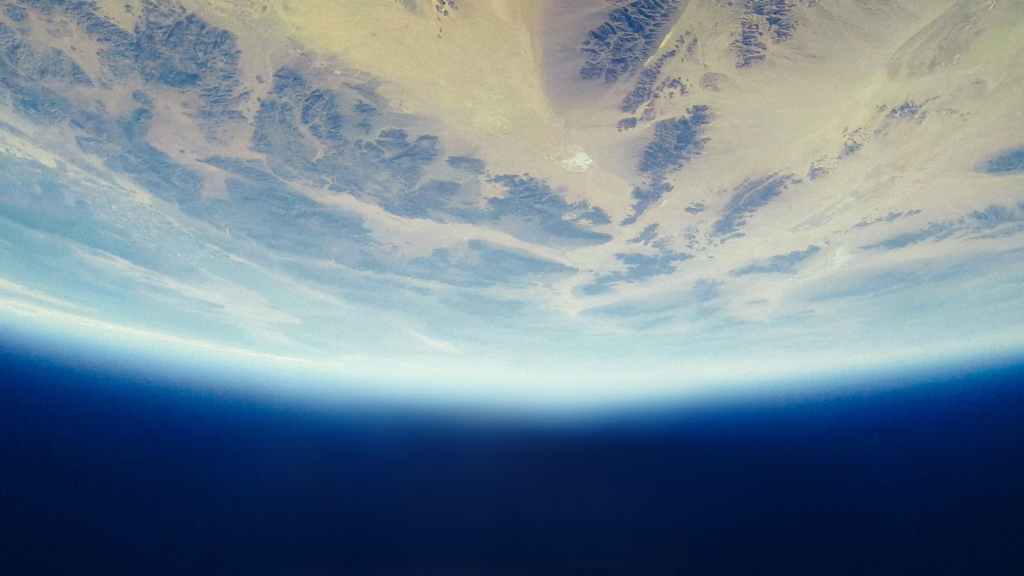
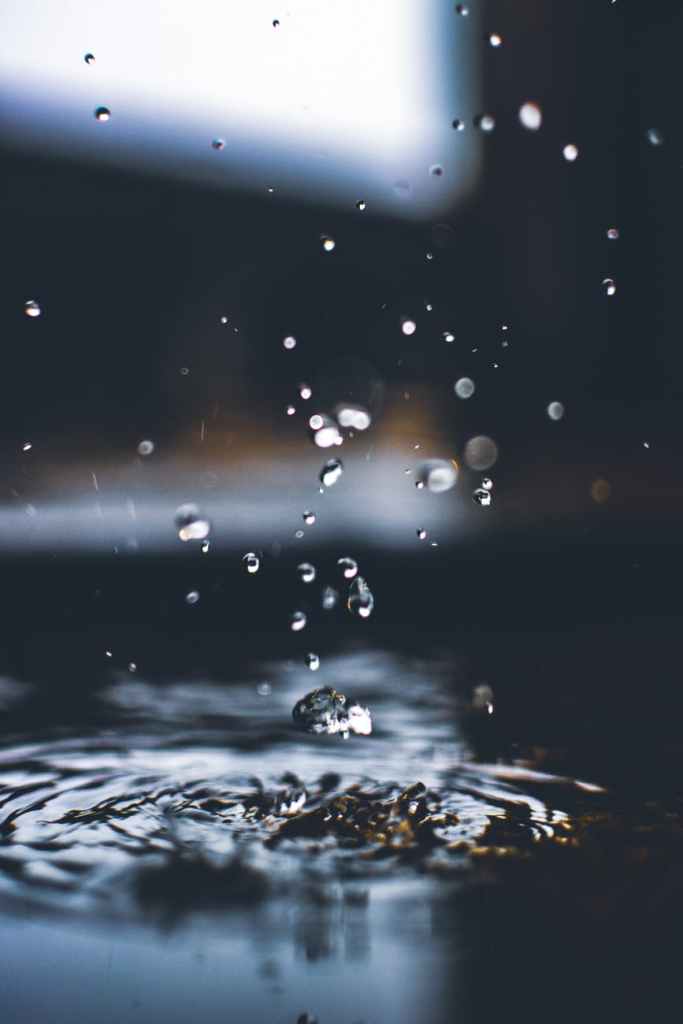
Loren Eisley was once quoted, “if there is magic on this planet, it is contained in water.” It is one of the few things that almost all known life needs to function, can be found on every continent and is one of the first things that scientists look for when trying to find life in outer space. Water is one of the most vital resources of our planet. And yet water scarcity in on a global rise.
The Blue Planet
Earth is the Blue Planet. Over 70% of Earth’s surface is covered with water. However, a lot of this water is not of great use to us, the water that sustains the majority of life is fresh water, and this is much harder to find, only 3% of the world’s water is fresh and a lot of this is not accessible, locked away in glaciers and ice shelves. Now, there is no less and no more water than there ever has been on Earth, water scarcity is not a system in which there is less water but less access to useable water. Water scarcity involves changes in the distribution of water, the number of people accessing and using fresh water and pollution making fresh water sources unusable.
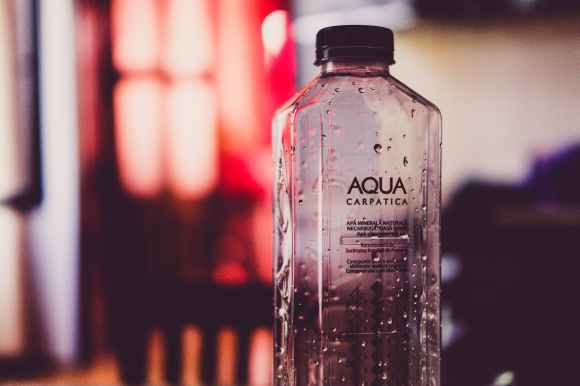
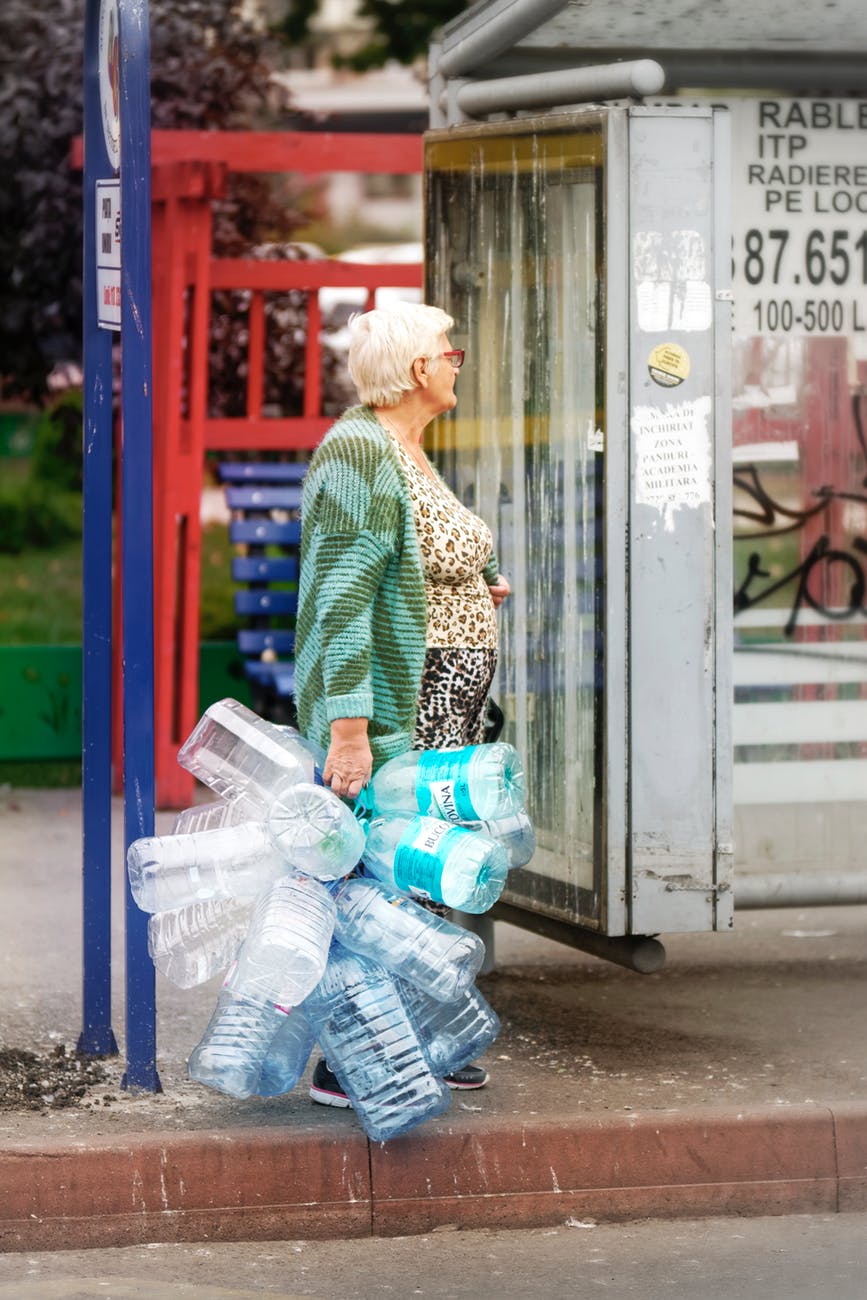
Quite simply the more people using a resource the less there is to share. Think of it as having a single bottle of water. If there is one person drinking from that bottle it lasts a lot longer. If there are five people the water runs out a lot faster and not everyone gets enough. The global human population has been increasing since the 1300s and has boomed within the last hundred years, however the amount of available water has not increased. So, going back to that bottle analogy you now have 7.7 billion people drinking, bathing, growing food and manufacturing goods from the water out of that one bottle.
Rubbish in the Lakes and Trash in the Sea
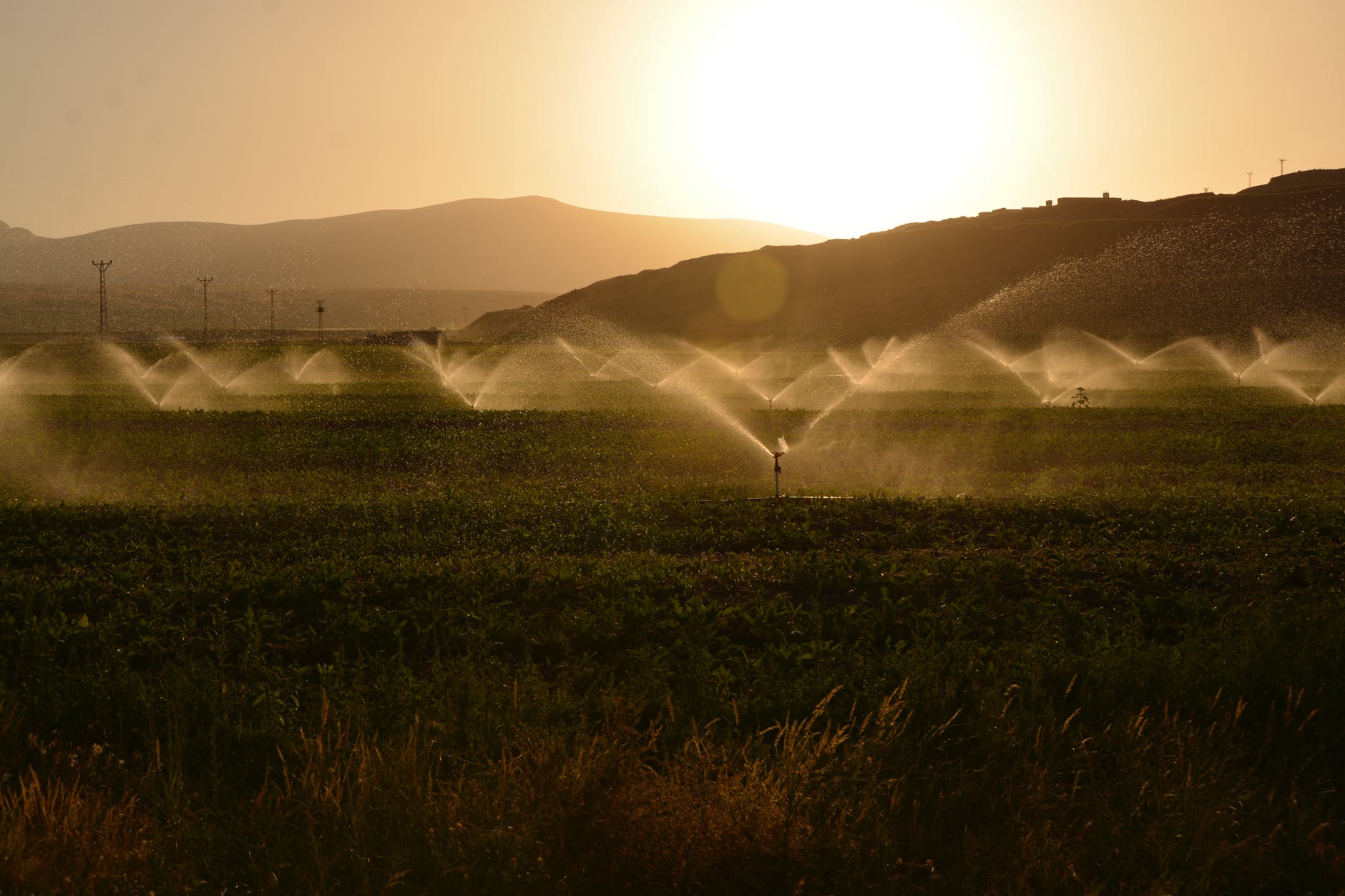
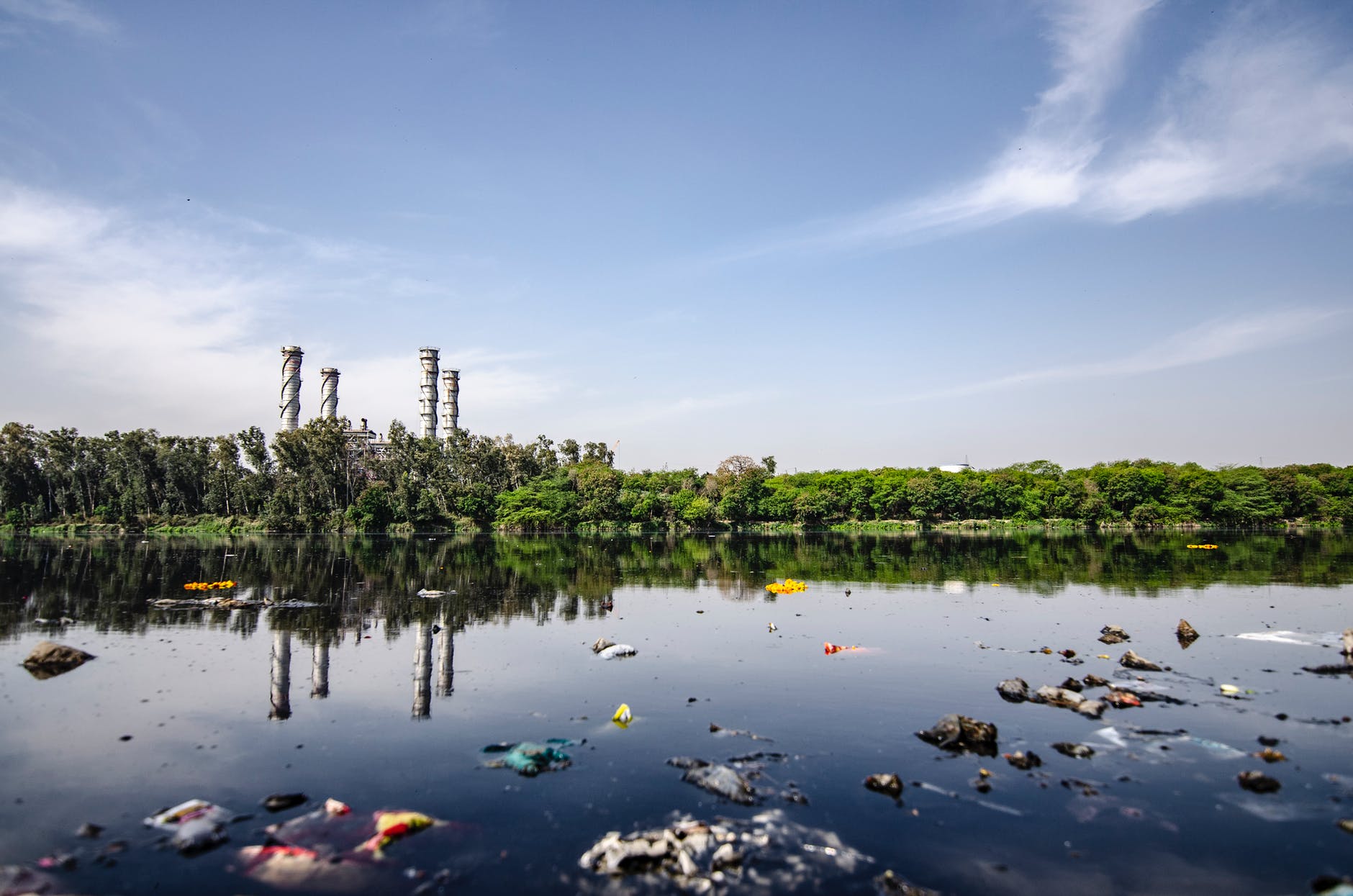
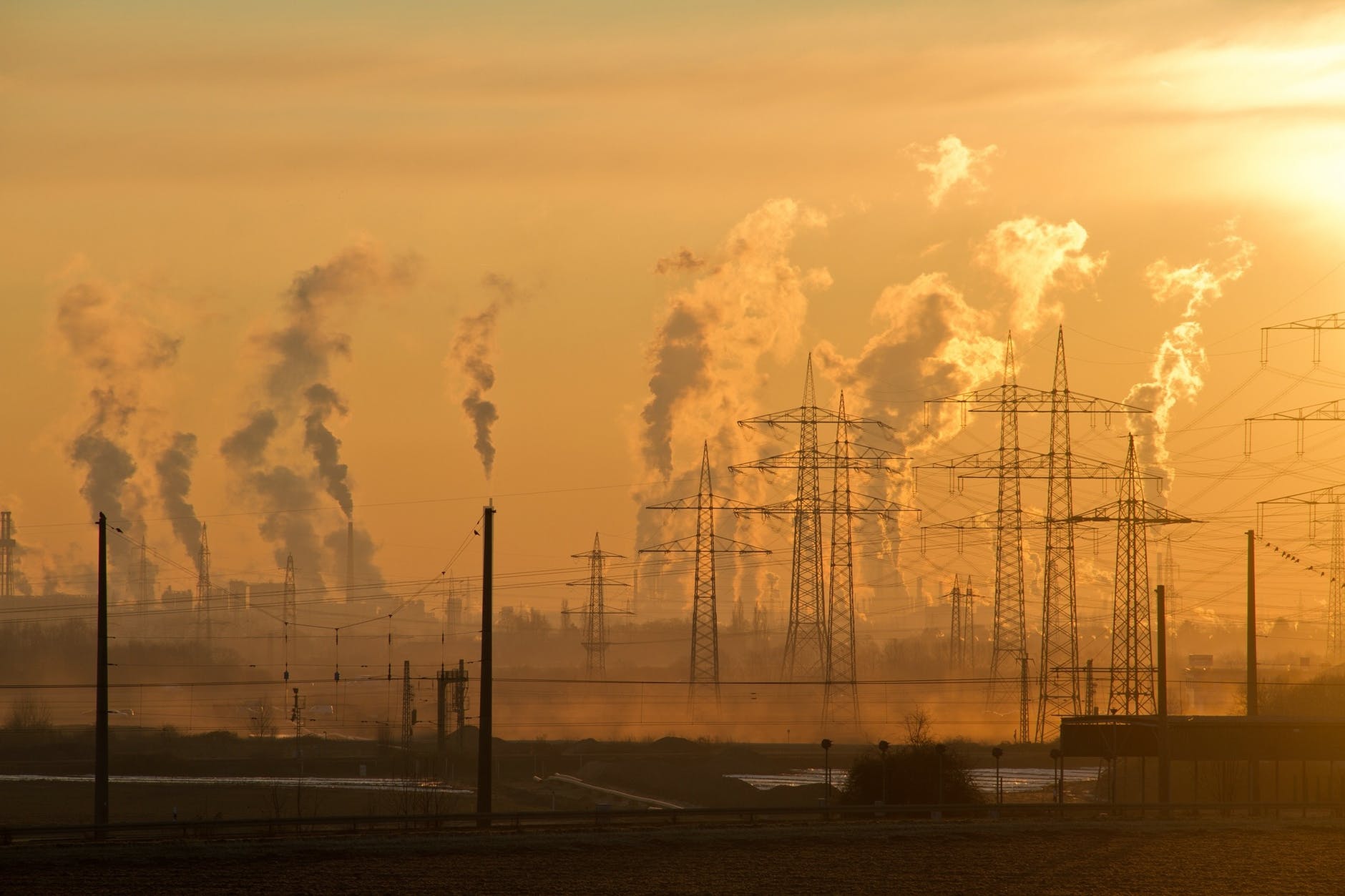
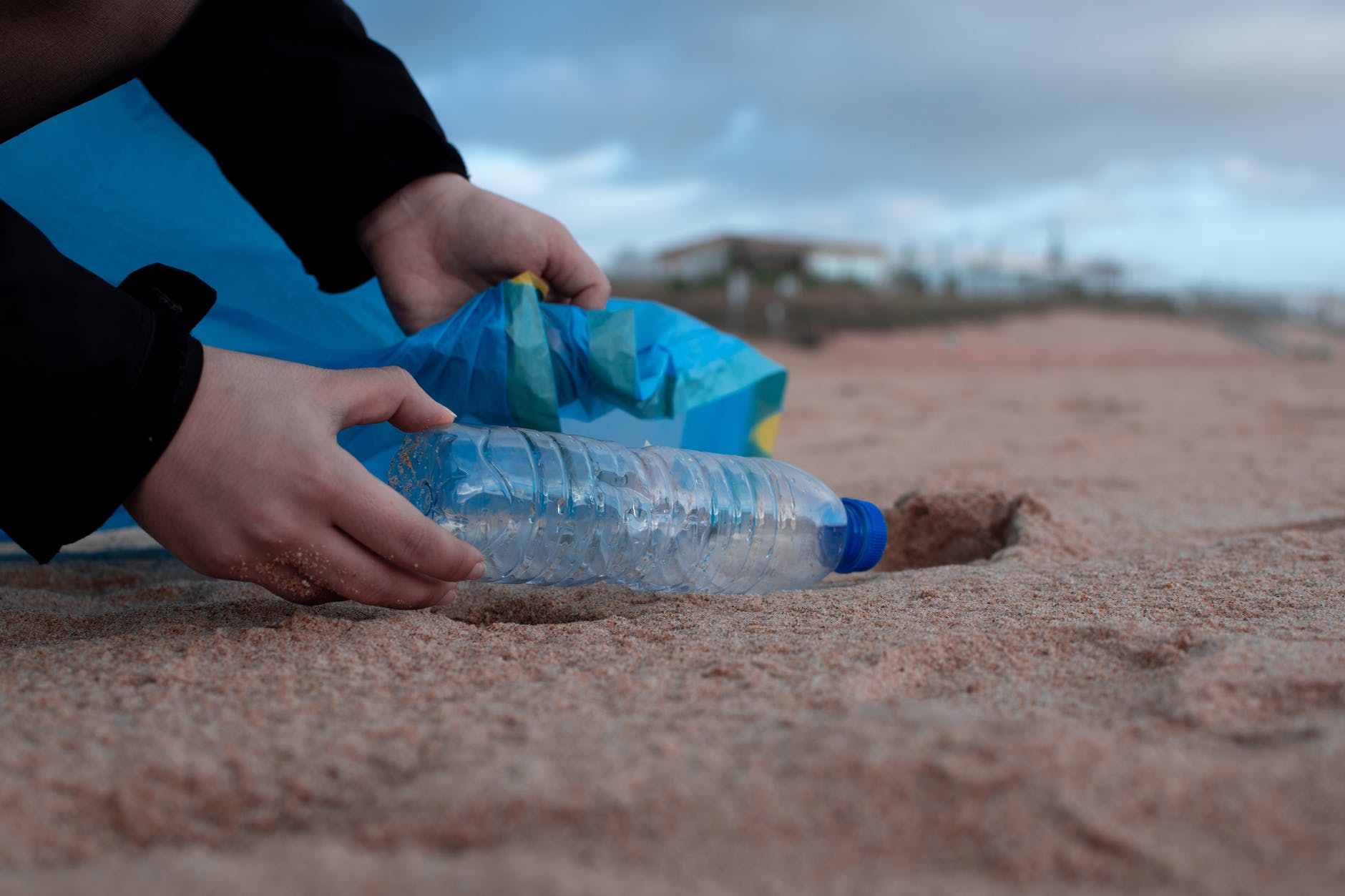
Pollution is only making this worse, as water pollution levels increase the amount of available fresh water decreases. You can’t drink water sources contaminated with factory run off, garbage, sewage and pesticides. Climate change can increase the severity of water scarcity, with changes in weather patterns changing the amount and location of rainfall on certain areas. Modern agricultural practices such as growing crops in unnatural areas, water consumption in factory production and high product consumption rates are causes of water scarcity in many regions with underground aquifers drained at a rapid rate.
Water is a vital resource for life and as water scarcity increases many experts believe that conflict over water resources will spark the wars of the future. Some companies and individual brokers are already purchasing water rights, claiming that water will become the new gold within their lifetime.
The Last Drops of Water in a Thirsty World
Water scarcity is already beginning to impact many populations, with over four billion people living in an area that experiences water scarcity at least once every month. The World Economic Forum has listed water scarcity as potentially one of the largest global risks. By 2040, one in four children are predicted to be living in an area of high water stress. These regions will include major cities such as Melbourne, Sao Paulo, Beijing, Cairo, Madrid and Miami. Cape Town has already experienced looming water scarcity, coming to the brink of running out of water in both 2017 and 2018.
There is currently enough water to support the human population, it is down to how we use this water and how we share it that will determine the level of water scarcity we face in the future.
Abraham Lincoln once said that when the well is dry we will know the worth of water, let’s try to know the worth of and protect this vital resource before we use the last drop.
With the outbreak of COVID_19 disease has been at the forefront of the world’s mind. Health officials warn that the spread of the disease may continue to increase and so far, there is no working vaccine to prevent the spread of the virus. What of the diseases that already exist though?
This is not the first disease that humanity has faced and the rise of vaccinations has meant that we can now prevent the spread of diseases that once brought populations to their knees.
Diseases such as polio, rubella, tetanus and diphtheria that once presented a global threat have become far less common. Perhaps most famously, the Smallpox virus that once killed millions and spread through populations all over the world was eradicated in 1980. So how what exactly are vaccines? How reliable are they? And why are there communities in the world that refuse to use them?
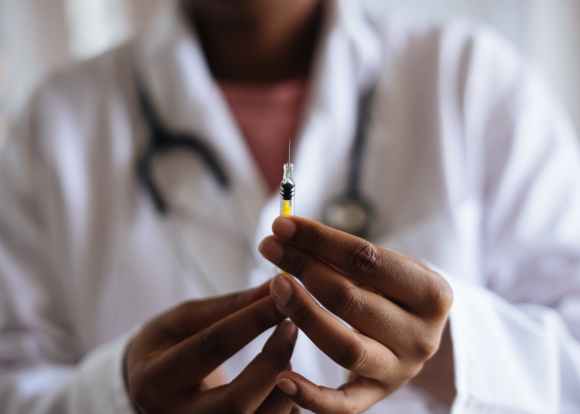
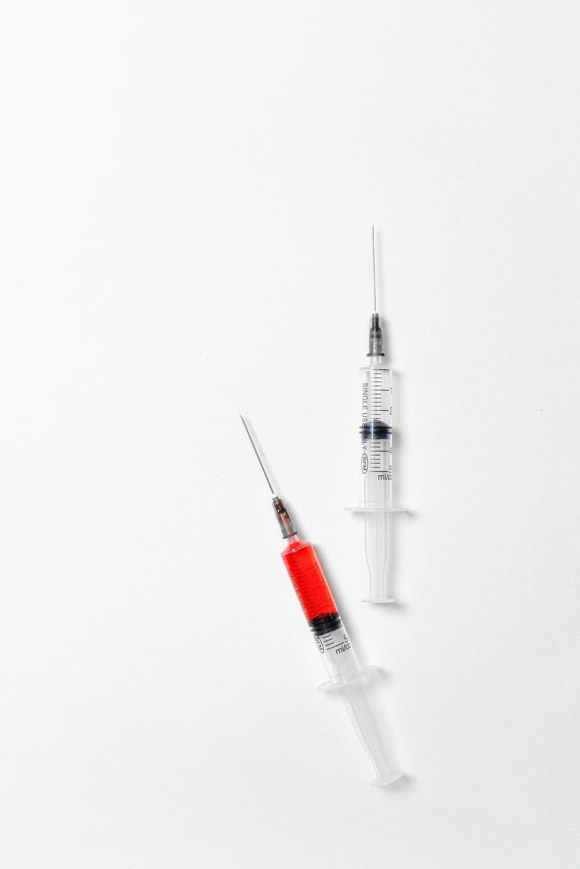
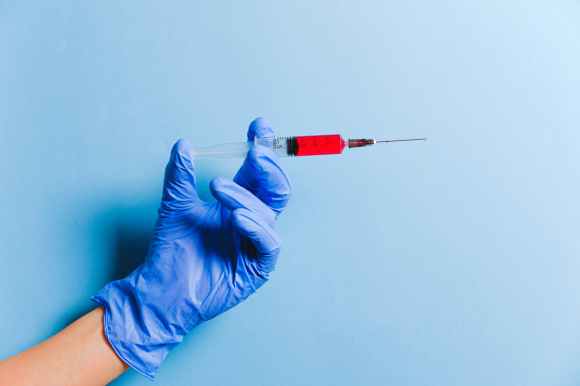
Vaccines are used to prevent diseases through injecting the body with something that looks like the disease. This allows the immune system to create antibodies without the person actually having the disease. Sort of like a practice run. This means that if the body comes into contact with the disease it can quickly create the correct antibodies to stop the disease infecting the person.
So, Where do Vaccines Come From?
Vaccinations were first invented in the late 1700s when surgeon, Edward Jenner, observed that milkmaids who came into contact with the non-fatal cowpox were rarely effected in smallpox outbreaks. From this he discovered that being infected with the non- fatal cowpox strand prevented the maid from catching smallpox, thus creating the first vaccination. By the mid 20th century vaccination research was rapidly expanded and vaccinations for many common diseases began to be developed and distributed. Since that time vaccinations have become widespread ways to control and prevent infectious diseases.
So how reliable are they? In short, very. Nothing is ever completely foolproof but on average childhood vaccines are 85-95% effective. If the majority of a population is vaccinated there is also the aspect of herd immunity. Herd immunity makes it much harder for diseases to spread and lowers the risk of infection for those that aren’t or can’t be vaccinated. In simple terms, a vaccinated population will survive.
So, why would anyone refuse this medical miracle? Largely, this is due to misinformation.
The Anti-Vax Movement
A large aspect of the anti-vax movement is based on a report published in 1998 by Andrew Wakefield that claimed there was a link between vaccinations and autism. This report has since been debunked but the fears it created have remained and grown. This is in part because of the success of vaccines, many parents believe that the diseases vaccines protect against are not a threat because they have not seen them in their full force, while conditions such as autism are prevalent in the community. The current scientific consensus is that there is no link between vaccines and conditions such as autism and that a drop in vaccination rates is highly dangerous. It provides a situation in which diseases can rapidly spread, re-emerge and in some cases mutate to create far more dangerous strains. Recent outbreaks of the Measles in the US and Samoa have been reported to be exacerbated by anti-vax movements. The loss of herd immunity also poses a severe risk to those that can’t be vaccinated such as very young children and those undergoing some cancer treatments.
Vaccinations are possibly one of the most important medical breakthroughs. They have allowed us to eradicate and control diseases that humanity has battled throughout our history and saved countless people from suffering and death. As can be seen with COVID_19 and with recent outbreaks of Ebola, MERS and SARS one of the greatest threats to our species comes from the world of disease and vaccinations are perhaps one of the greatest weapons we have in the battle for survival on this planet.
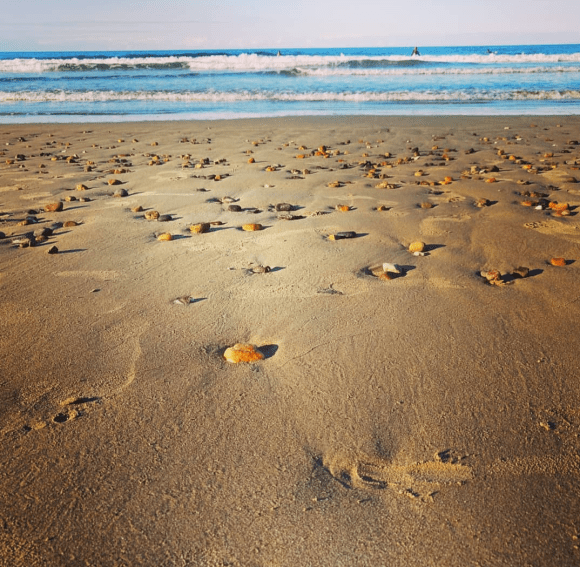
We use it to tick away the minutes in hour glasses, curse the amount of it that we track back into our houses after a trip to the beach and post quotes featuring footprints in it to our Instagram pages in our weaker moments, sand it seems is everywhere.
Skyscrapers, Windshields and iPhones
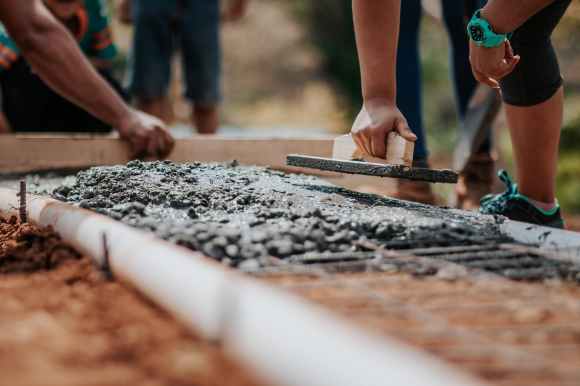
Sand, however, may not be everywhere for long. Yes, those little grains we give very little thought to are running out. Sand is what we have built our cities out of, created our phones from and is even found in most car windscreens. Sand is the primary component in concrete, melted down the make glass and used to create silicon. Sand is, quite literally, everywhere. Sand comes second only to water when it comes to the most used natural resource in the word, with over 50 billion tonnes of the stuff used every year.
Now, the world has sand, one look at the Sahara or an image of the Kalahari from space and that is easy to see. The issue comes with the fact that not all sand is created equal. Desert sand is generally eroded by wind rather than water and as such, is the wrong shape to bind correctly when used to create substances such as concrete. Sand eroded by water and found in river beds, floodplains and beaches is what is used for construction purposes, the industry that makes up the main bulk of our sand consumption. This is the sand that is running out.
Sand Mining and Urbanisation
A large driver of this is the rate of urbanisation. As more people are moving to more cities, new buildings and roads need to be built and these are all built out of sand. The annual amount of construction sand used each year in India has tripled since 2000 and Dubai has such a demand for particular types of sand used for construction that it buys it in huge quantities from Australia. Sand is also being used to literally create more land. Countries including Nigeria, China, The US, Singapore and The UAE have all dredged ocean sand to create new land. This creates long term and often disastrous effects for the natural eco-system.
Mining sand for construction purposes is equally destructive, the churned up sediment created from river bed dredging can disrupt ecosystems and kill plant and aquatic life. Many experts believe that sand mining is a key contributing factor to the shrinking of the Mekong Delta, an area home to a diverse ecosystem, a main area of food production for Vietnam and home to over 20 million people. To make a bad situation worse, riverbed dredging can cause increases in riverbank collapses, causing further destruction to croplands, homes and eco-systems, and sand mining had been linked to deadly bridge collapses in Portugal and Taiwan.
The Violent Underbelly of the Sand Trade
The sand trade has gotten so lucrative that criminal groups have started controlling the trade in some areas and creating a virtual slave labour in sand mines. In addition there have murders linked to the sand trade and violence in India, Gambia, Indonesia and Kenya has been reported as result of criminal groups operating in the sand trade.
Urbanisation shows little signs of slowing and construction materials are going to remain a highly sought after commodity. As a result, scientists are trying to come up with alternative materials to make concrete from, exploring options such as shredded plastic and rice husks. Methods to more efficiently recycle concrete and glass and create ways to make these products with less sand are also being explored. For now though, we have built our foundations out of sand, the problem is that only makes the ground we have built them on that much more unstable.
Overpopulation, the one crisis that movie super villains seem to fixate on. From Valentine in Kingsmen to Thanos in The Avengers, villains really seem to care about humanity’s swelling numbers and the impact this creates. The question though comes with is it something that we should be taking more notice of?
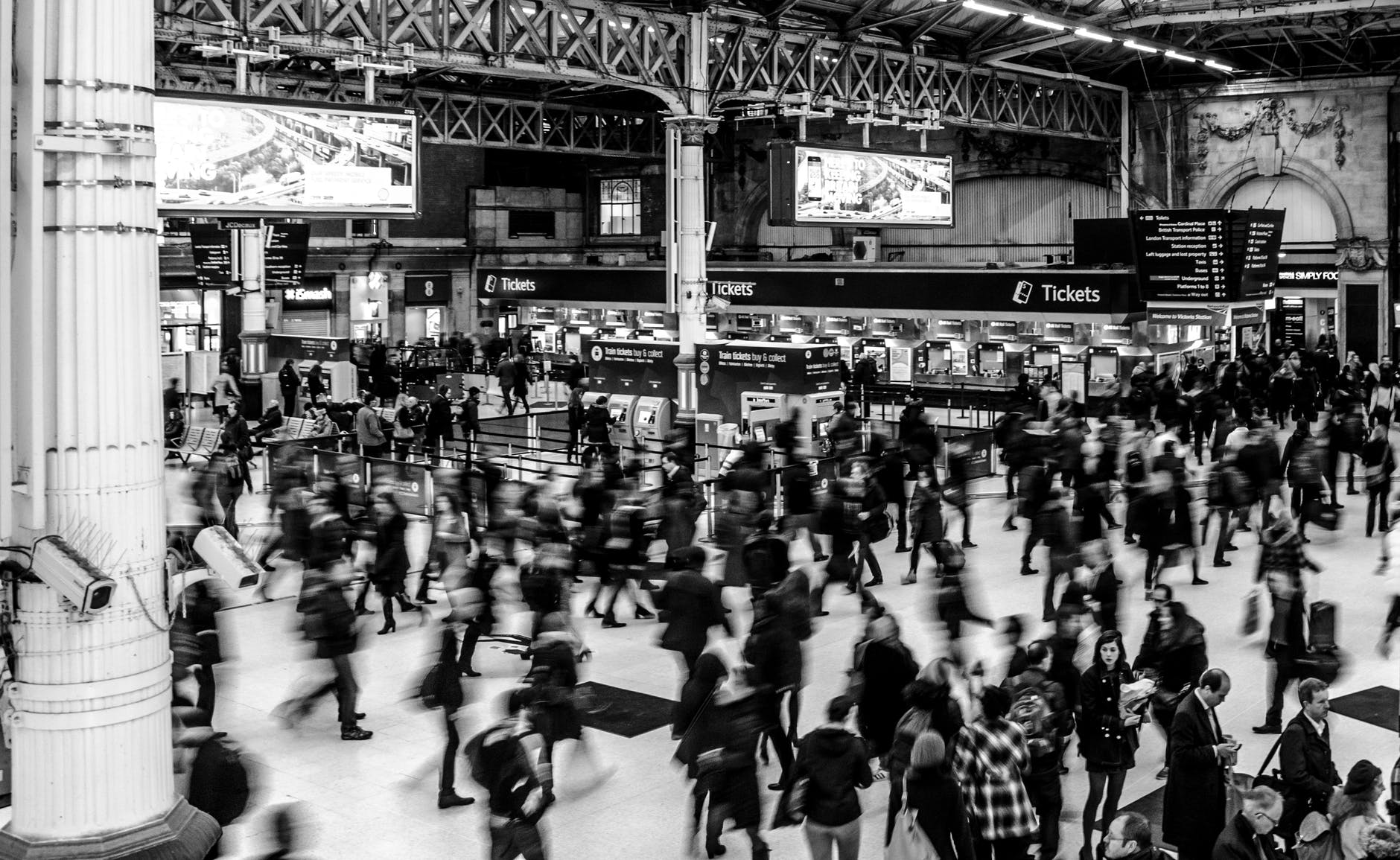
The human population has been rising steadily since the Black Death ended in the 1300s, the most significant rise in population though has occurred within the last 100 years. Since the 1920s the human population has grown by 5.7 billion people. As of February 2020, there are thought to be close to 7.7 billion people on Earth and that number is only set to rise, reaching 9.8 billion people by 2050.
Population Booms in a World of Limited Resources
Although fertility rates are dropping in many countries, third-world nations are still reporting high fertility rates. The UN has reported that 26 African countries are predicted to double their size by 2050 and every continent except Europe and Antarctica is forecasted to continue experiencing population growth over the next 80 years.
This population boom creates a significant challenge in the management and distribution of resources, disposal of waste and land management. Quite simply put, more people need more resources, more space and create more waste. The world however does not offer unlimited resources and this increased demand creates a system that the world will not be able to continue to sustain. Alongside uncontrolled population growth are projected food and water shortages, possibly leading to increased conflict in many areas, increased pollution and increased damage to the environment, further exacerbating global warming and climate change.
It may sound like these super villains might have been onto something with their concern. However, don’t go searching for the infinity stones yet, there are far less drastic ways to control population growth and limit the effects of an increasing amount of people sharing the planet. The first comes quite simply by using fewer resources. The average middle- class American consumes 250 times more water and 3.3 times more food than is needed to survive, cutting down on our over-usage of resources on a global scale will vastly limit the impacts of a swelling population.
The Power of Education and Family Planning
Another solution comes with education. Research has shown that the more educated a population, particularly the female population, is of a country, the lower the birth rate. A study in Ghana showed that women who had completed high school had a birth rate of two to three children whereas women who had no education had an average of six children. This trend can also be observed on a global scale. In Canada, one of the most educated countries the average birth rate in 2019 was 1.5 births per woman. In 2019, Niger, a country with a lower level of education had an average birth rate of 6.8.
Increasing access to family planning programs and lowering the cost and improving the access to contraceptive treatments is another proven method to reduce population growth. Some groups are also advocating for governments to provide incentives for families to have less children.
Creating lifestyle changes and reducing carbon emissions is another way that the impacts of overpopulation can be managed and reduced. Switching to green energy sources, reducing meat consumption, increasing recycling and promoting more sustainable farming methods can all create a positive impact.
So, is overpopulation something we should be taking notice of? Yes. However, before you dedicate yourself to the life of a super villain, there are ways it can be managed and slowed to ensure a bright future for all of us.
Old age. It sneaks up on us all the way that Hemingway says bankruptcy does, gradually and then suddenly. Old age though is now sneaking up on an ever-increasing population, in the US alone it is estimated that the number of people over 65 will rise from 47 million in 2015 to 88 million in 2050. Meanwhile, on a global scale the over 65 population is expected to rise from 352 million in 2010 to 1.5 billion in 2050, for the first time in human history the over 65 population will exceed the under 5 population. This massive demographical shift is largely due to increases in medical capabilities and increased life expectancy partnered with falling fertility rates.
The Cost of Longevity
An increase in life expectancy is largely thought of as a great thing, the issue comes, as it does with many great things, with how do we afford it? Maybe Hemingway was onto something with the bankruptcy as well. The economy is not keeping up with this increase in longevity. Estimates state that in the US alone 10 million people over the age of 65 are still in the workforce, a number that has doubled since 1985 and most households are not saving a sufficient amount for retirement. If nothing changes, these numbers are only going to grow.
Increases in the likelihood and severity of chronic conditions in older populations such as heart disease, Alzheimer’s and diabetes coupled with an inability to work creates a large burden on both national and global economies. The health sector in particular will take the hit of an ageing population with an increase in costs and staffing levels to keep up with this change in demographics. As well as health care, an increase in pensions will create another financial challenge for economies to deal with.
Changing with the Times
There are however innovative solutions to keep up with this changing demographic, in the words of another great wordsmith, the times they are a changing. The trick is to change with them.
Finland, a country with one of the oldest populations in Europe, has launched an initiative to provide access to fitness and cultural centres such as public pools, gyms, libraries and museums at discounted prices to older groups, with the aim of creating a healthier population. In one town gym access is free to over 65s in the hopes of creating decreases in health expenditure over the long term. Finland also encourages older populations to volunteer in the community, providing an avenue for connection and stimulation across generational divides and providing a way for older people to still positively contribute to the community.
The World Health Organisation has also advised that investing more time and resources into improving childhood health could limit the healthcare burden of an increased older population. Many health issues in old age stem from childhood circumstances such as poor nutrition or exercise levels. As such older generations would be healthier, could work longer and have increased quality of life if a healthy lifestyle is promoted from childhood.
Old age is coming for us all and with advancements in technology and changes in cultural norms the ageing population is and will continue to increase. Despite the challenges this may bring there are ways these challenges can be combated. To paraphrase Lucas Graham, soon we’ll be sixty years old, so we better be prepared.
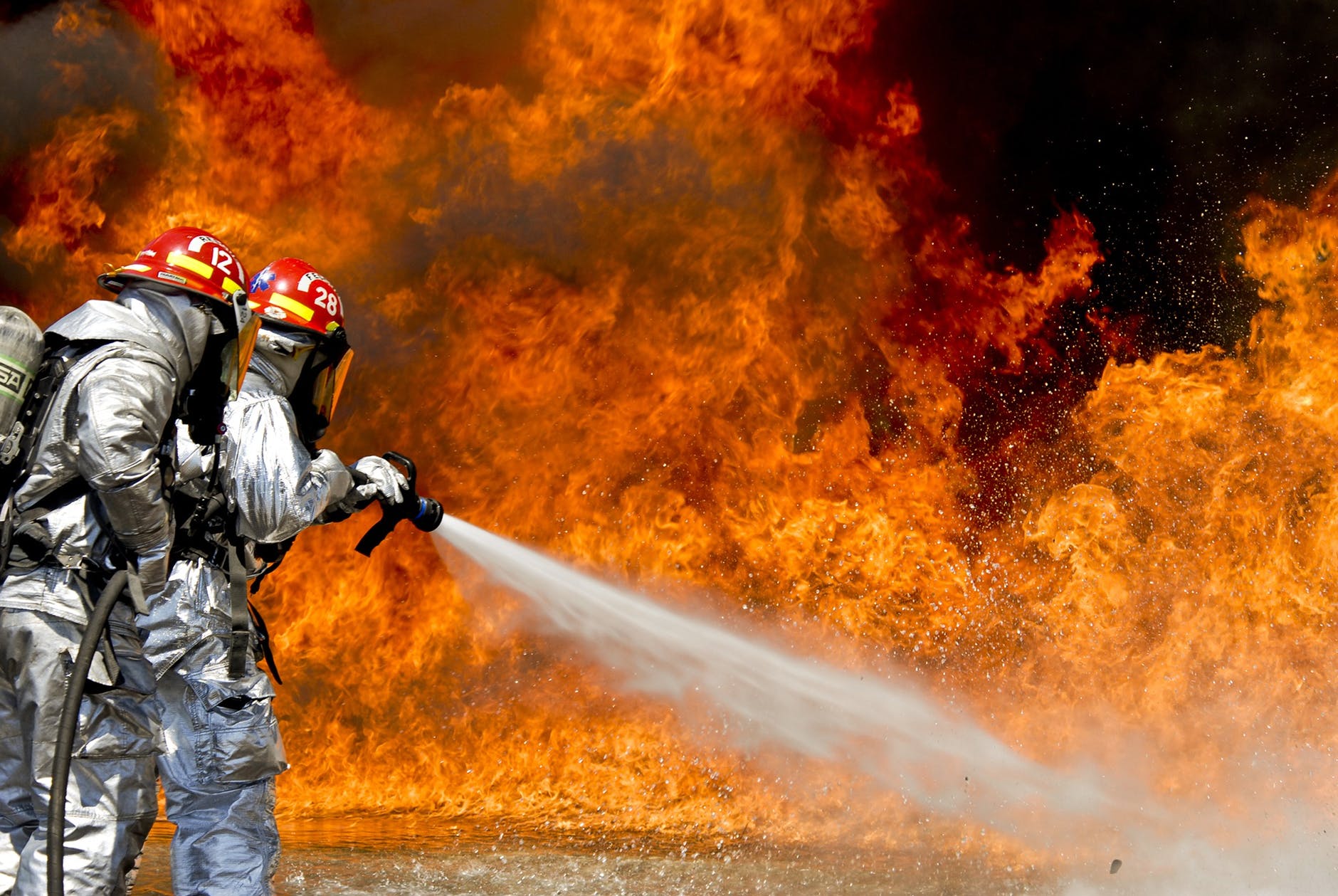
Climate change. I know it is terrifying. We are all going to burn, drown, starve or get sucked up in a tornado like some twisted version of The Wizard of Oz. Politicians are denying it, teenagers are fighting to stop it, businessmen are exploiting it and new agreements are being drawn up and then being left unsigned everyday. Meanwhile Australia is on fire, the UK is flooding, tornadoes are crisscrossing the US like they’re trying to win a game of snakes and ladders and a literal plague of locusts has descended on the Horn of Africa. Welcome the new world folks.
Floods, Fires and Twisters
It can be tempting to try and bury our heads in the sand, take some retail therapy at our nearest fast fashion outlet, forget our keep cups, decide recycling is too hard and pretend this whole thing is a bad dream. But (I know there is always a but) scientists are predicting less than 12 years before climate change is irreversible and the twisters, floods, fires, plagues and general apocalyptic scenes become a compulsory, worldwide, year-round event. So pretending its all a bad dream, well it will become the sort you can’t easily wake from. Burying our heads in the sand here is not an option, and only in part because the world is rapidly running out of sand.
The Intergovernmental Panel on Climate Change, a panel made up of over 1300 members from around the world has forecasted a temperature rise of 2.5-10 degrees Fahrenheit over the next century. Previous global warming impacts the panel has forecasted due to rising temperatures such as shrinking glaciers, river ice breaking up sooner in the season and the melting of sea ice have already started to occur.
The warming of the planet is largely due to increases in greenhouse gasses from mostly human activities, these gasses trap heat in the atmosphere, creating an increase in temperature.
Global warming is one of the main drivers of climate change, climate change being a global issue and one of which the effects will be felt world-wide. With 39% of humanity living within 100 kilometres of a coastline, countless people will be displaced, heat waves will become more common and severe, farming practices will be disrupted and animal species will begin to die out.
And Droughts Too…
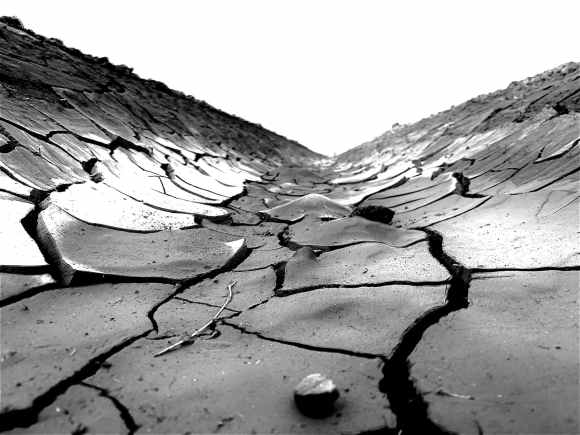
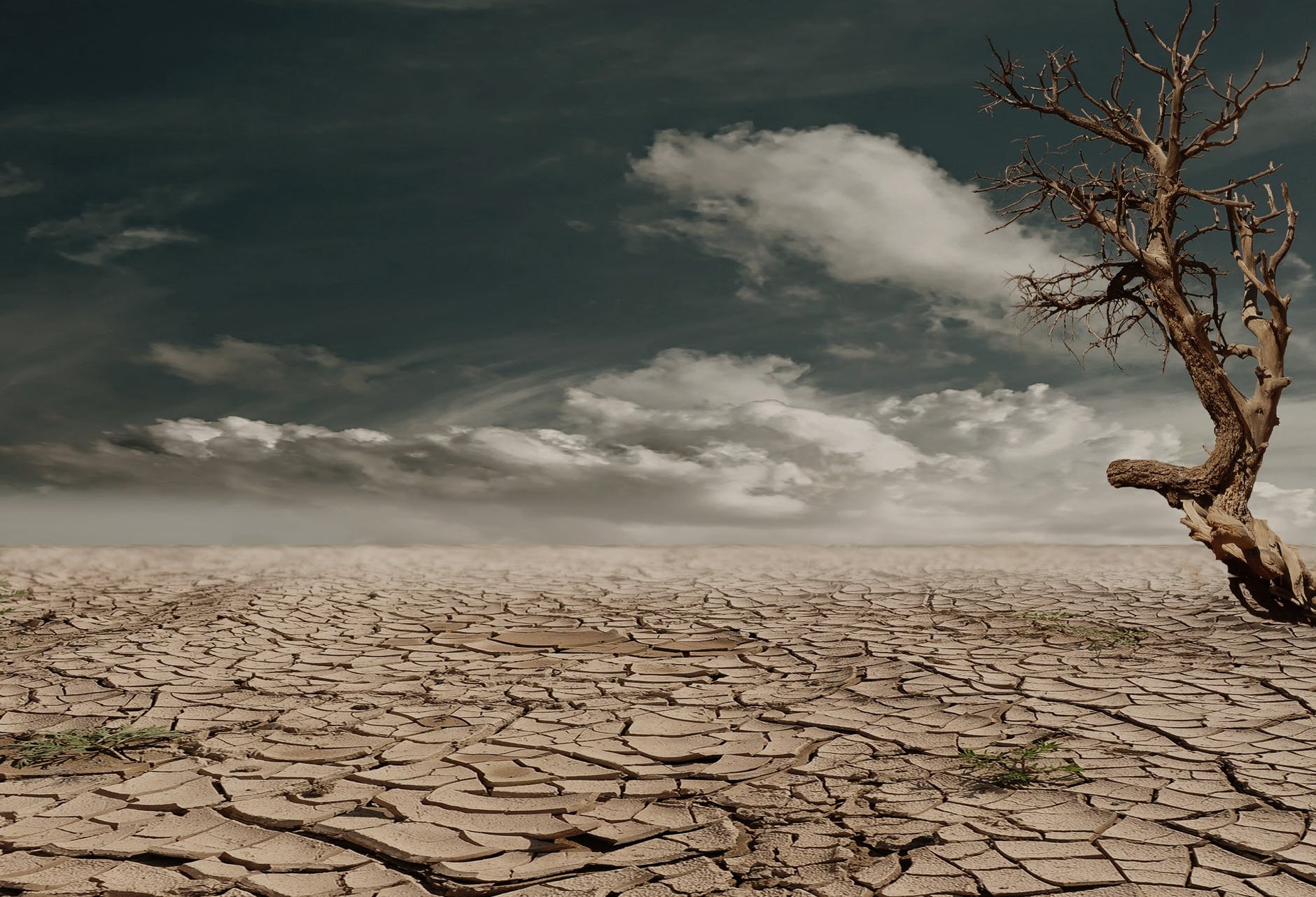
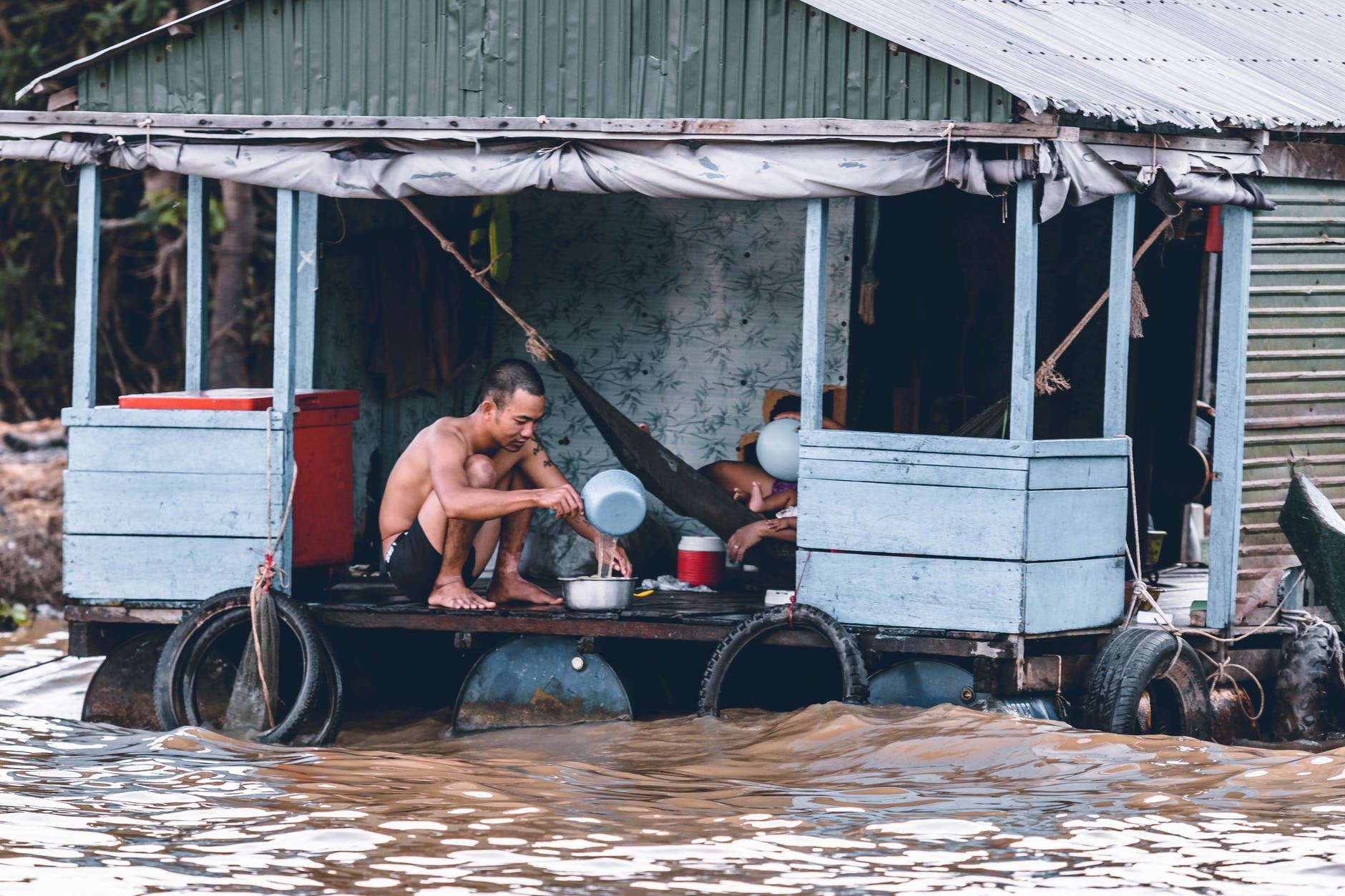
In some areas droughts and water scarcity will become more common, with Cape Town already having faced the prospect of running out of water, and other areas will become far more prone to severe flooding.
If we ignore the issue of climate change then the impacts on the economy, immigration, world aid, food, water, trade and society as we know it will be impacted far more than if we implement change to tackle this issue before the house is burned down. If you are still leaning towards pretending this isn’t happening and going out to buy that coffee in its disposable cup, know that two of the crops that will be affected by climate change and rising temperatures include coffee and cocoa. So enjoy that coffee while you still can.
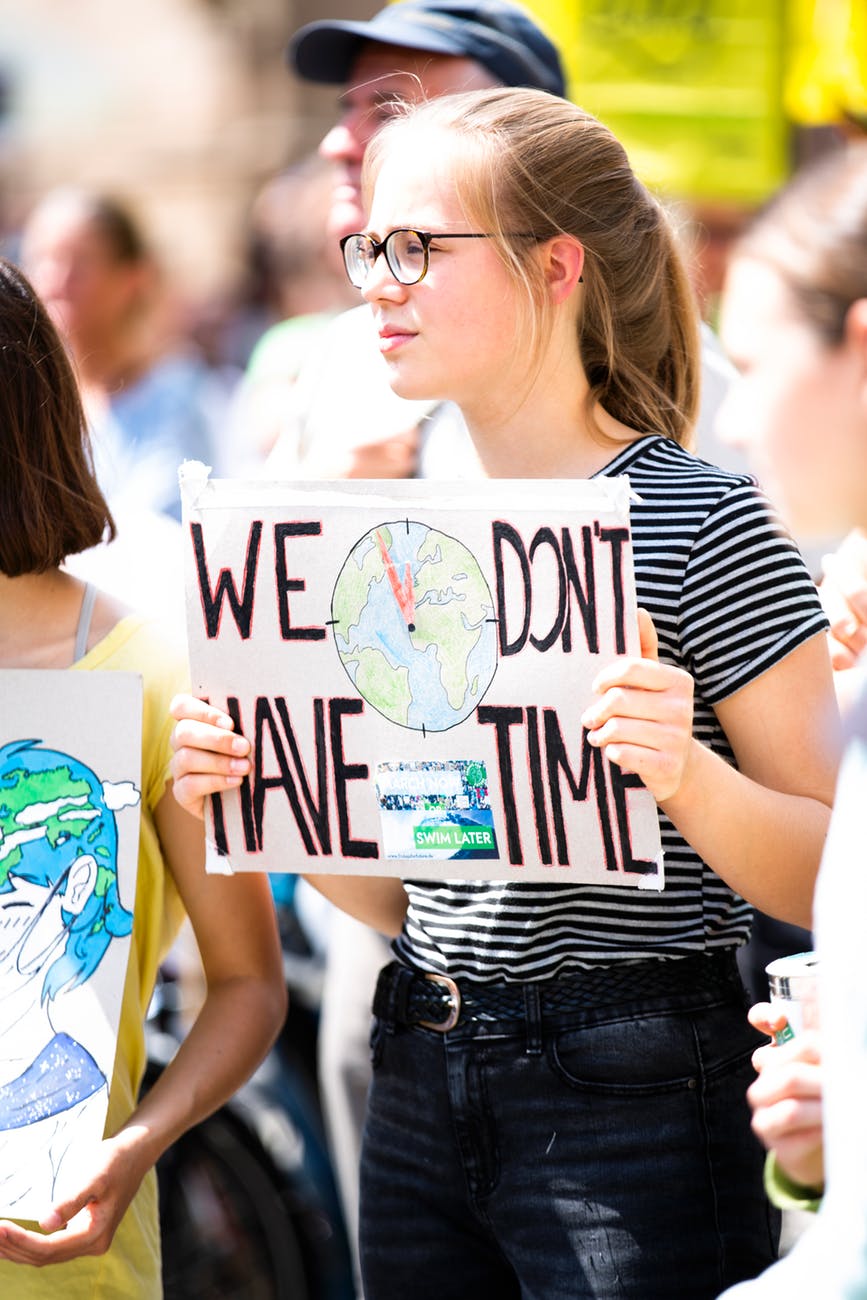
Now, this may seem like a lot of doom and gloom, but the positive news is that the world is starting to realise the full extent of climate change. We have seen movements like Fridays for Future spread across the world, a reported increase in the concern and awareness of the public about climate change and changing trends, albeit it sometimes slow, in consumer habits towards more sustainable practices.
Our clock is ticking but our time is not up yet, we can all make changes to help turn this around. That twister may be on its way but we are still the ones that can change it, at the moment we are still in Kansas.
Donald Trump, whether you swing to the left or the right side of the political spectrum you can’t avoid the man. The billionaire politician that has made a name for himself judging fashion shows, demonising minorities, trying to build an unscalable wall and holding onto the role of presidency tighter than a toddler to a lollipop. Recently Trump has again maintained his iron grip on the Oval Office as he was acquitted in his impeachment trial. A trial in which Trump was acquitted of the charges of abuse of power and obstruction of congress. A trial in which Trump was 20 votes in the US Senate short of losing. And a trial that those that testified and voted against Trump in are already starting to hear that famous phrase of his “You’re fired!” This however raises the question of what does it mean to be President in a country that has for so long prided itself as the land of the free? The American Dream has always been one that is marketed as a rags to riches story with freedom and triumph over prejudice as its central theme. The statue of liberty boldly displays the Emma Lazarus quote Give me your tired, your poor, your huddled masses yearning to breathe free. The wretched refuse of your teeming shore. Send these the homeless, tempest tossed to me, I lift my lamp beside the golden door. The question though is raised of what does this sentiment mean in a modern world and in a country under a president that does not often represent this sentiment?
When a president can mock a sixteen year old activist on Twitter, separate toddlers from their parents at the border and brag about assaulting women, what does that mean for the country he rules? A land of the free cannot mean free for only a select group of people, after all the founding fathers wrote We, the People, not Some of us, the People. The impeachment hearing may be over and once again Mr. Trump may have held onto his shiny desk in that historic office and whoever you support politically, the political landscape can currently seem rather bleak. There is, though, still light in this tunnel. That light lies with you. The double-edged sword of freedom and democracy means that whatever politics you support you have the right to support it, you can make the change. Whether that is through voting in the next election, educating yourself on what is happening, joining a movement you believe in or simply being kind to your neighbour, the power and the future of the land of the free lies with you. So whether you choose to follow Gandhi’s example of be the change you wish to see in the world or simply the words of Dr. Seuss’ Lorax, unless someone like you cares a whole awful lot, nothing is going to get better, its not, the future is in your hands.









 The News Reel