Categories
Current Affairs News Uncategorized

The Drying Well

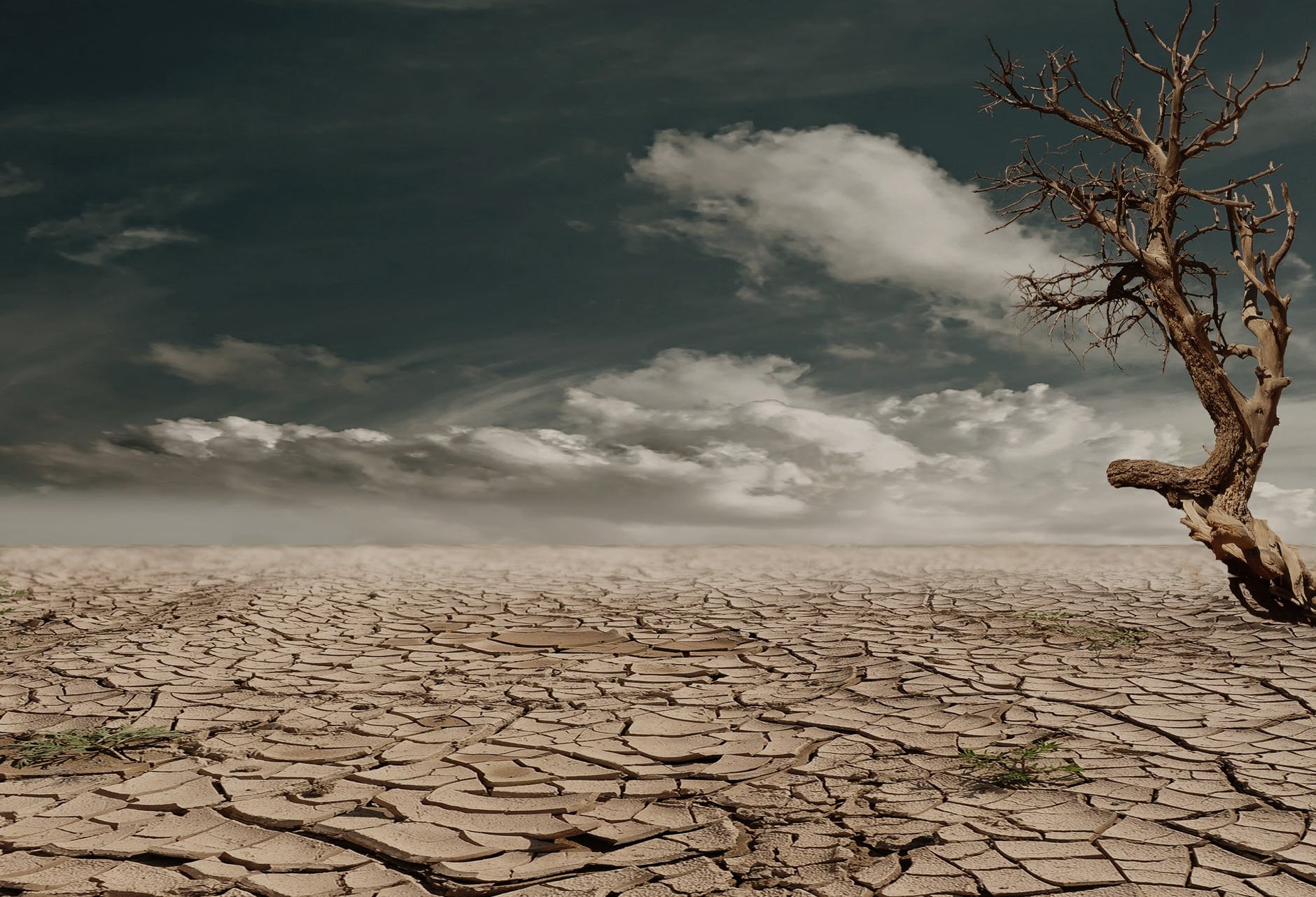
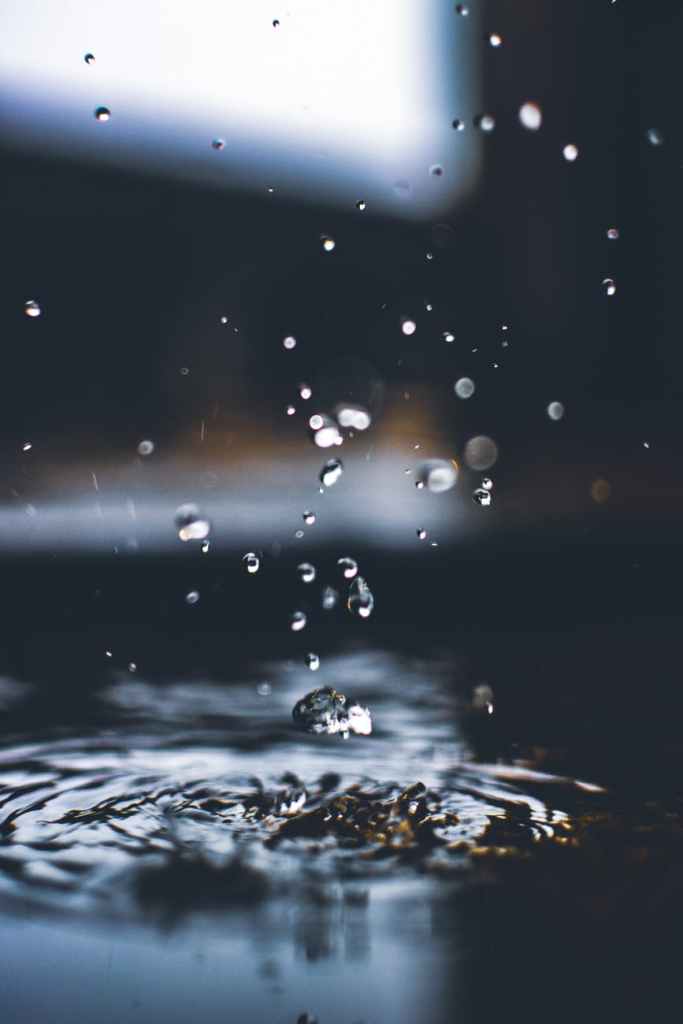
Loren Eisley was once quoted, “if there is magic on this planet, it is contained in water.” It is one of the few things that almost all known life needs to function, can be found on every continent and is one of the first things that scientists look for when trying to find life in outer space. Water is one of the most vital resources of our planet. And yet water scarcity in on a global rise.
The Blue Planet

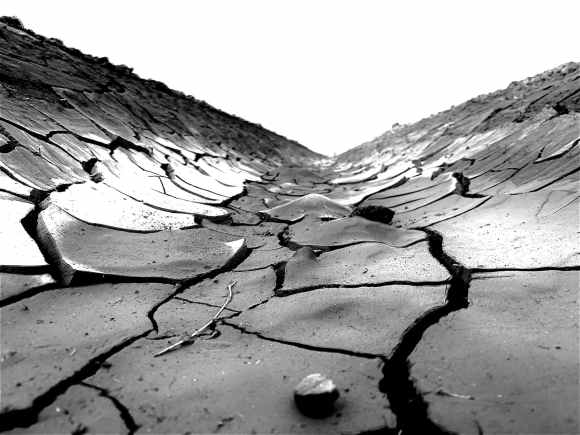
Earth is the Blue Planet. Over 70% of Earth’s surface is covered with water. However,  a lot of this water is not of great use to us, the water that sustains the majority of life is fresh water, and this is much harder to find, only 3% of the world’s water is fresh and a lot of this is not accessible, locked away in glaciers and ice shelves. Now, there is no less and no more water than there ever has been on Earth, water scarcity is not a system in which there is less water but less access to useable water. Water scarcity involves changes in the distribution of water, the number of people accessing and using fresh water and pollution making fresh water sources unusable.

Quite simply the more people using a resource the less there is to share. Think of it as having a single bottle of water. If there is one person drinking from that bottle it lasts a lot longer. If there are five people the water runs out a lot faster and not everyone gets enough. The global human population has been increasing since the 1300s and has boomed within the last hundred years, however the amount of available water has not increased. So, going back to that bottle analogy you now have 7.7 billion people drinking, bathing, growing food and manufacturing goods from the water out of that one bottle.

Rubbish in the Lakes and Trash in the Sea

Pollution is only making this worse, as water pollution levels increase the amount of available fresh water decreases.  You can’t drink water sources contaminated with factory run off, garbage, sewage  and pesticides. Climate change can increase the severity of water scarcity, with changes in weather patterns changing the amount and location of rainfall on certain areas. Modern agricultural practices such as growing crops in unnatural areas, water consumption in factory production and high product consumption rates are causes of water scarcity in many regions with underground aquifers drained at a rapid rate.
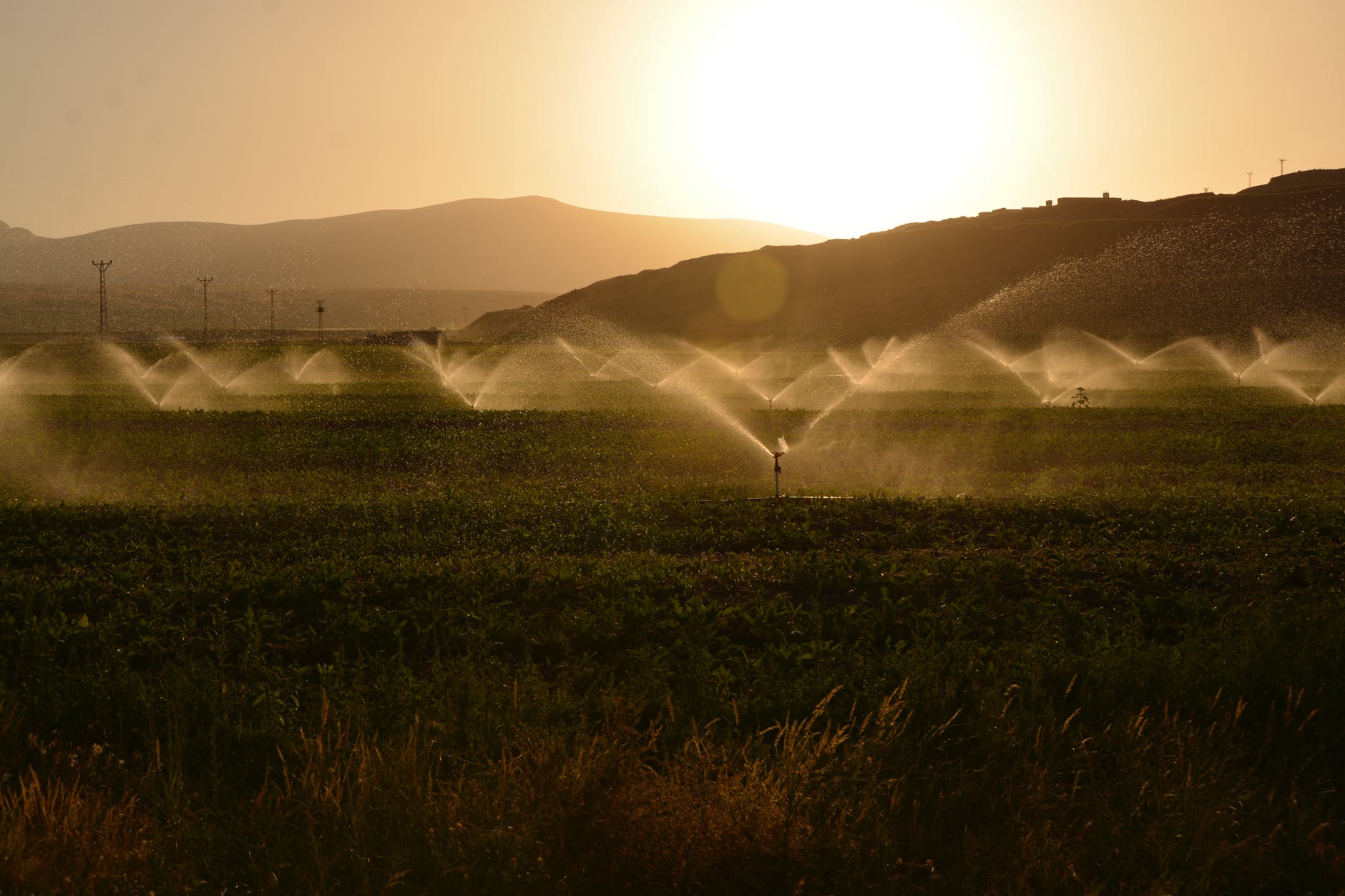
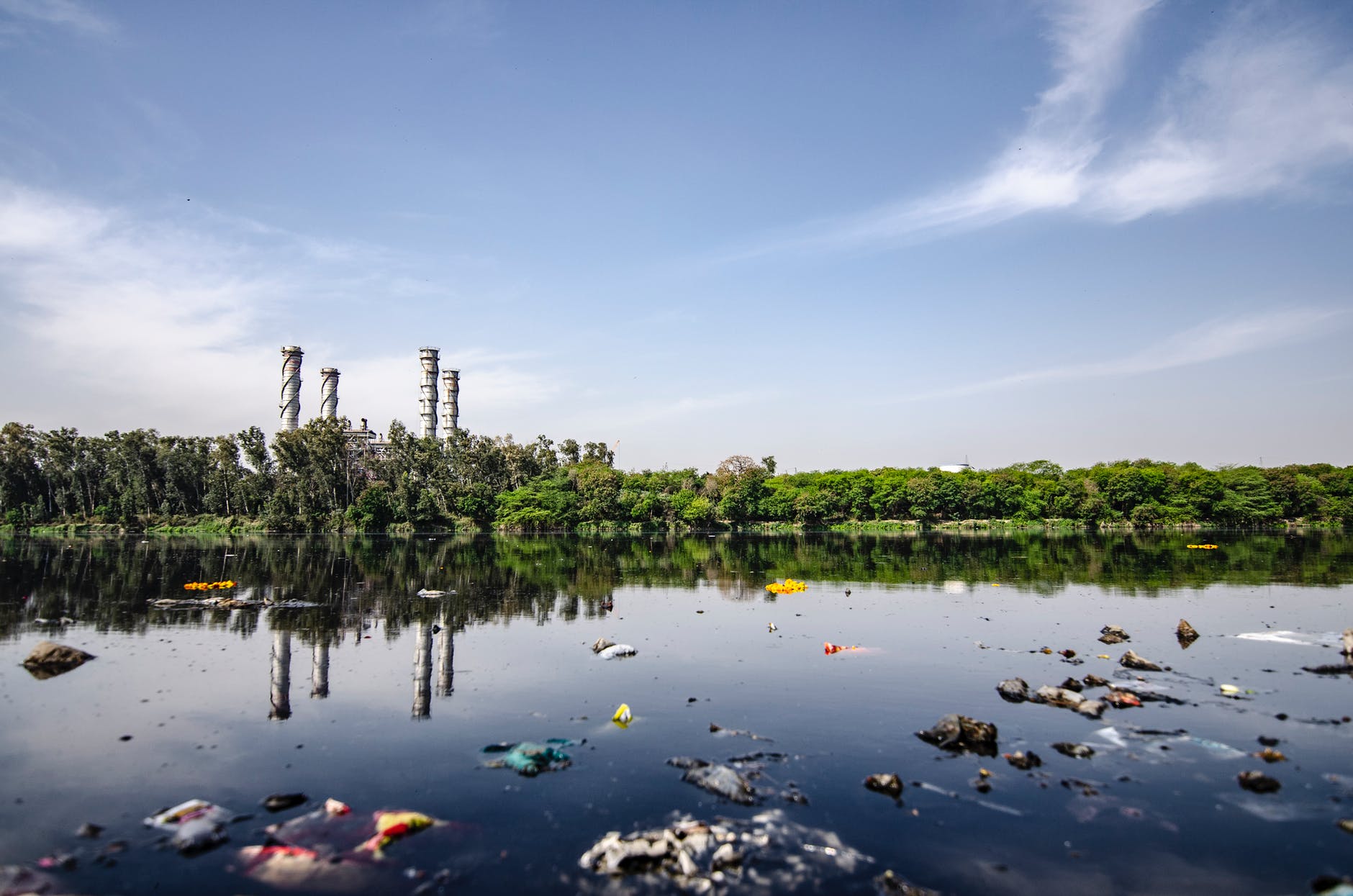
Water is a vital resource for life and as water scarcity increases many experts believe that conflict over water resources will spark the wars of the future. Some companies and individual brokers are already purchasing water rights, claiming that water will become the new gold within their lifetime.

The Last Drops of Water in a Thirsty World

Water scarcity is already beginning to impact many populations, with over four billion people living in an area that experiences water scarcity at least once every month. The World Economic Forum has listed water scarcity as potentially one of the largest global risks. By 2040, one in four children are predicted to be living in an area of high water stress. These regions will include major cities such as Melbourne, Sao Paulo, Beijing, Cairo, Madrid and Miami. Cape Town has already experienced looming water scarcity, coming to the brink of running out of water in both 2017 and 2018.
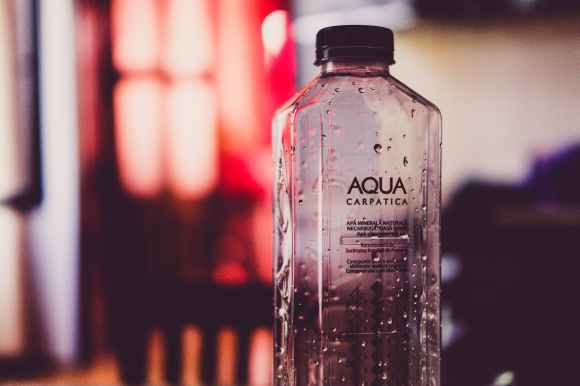
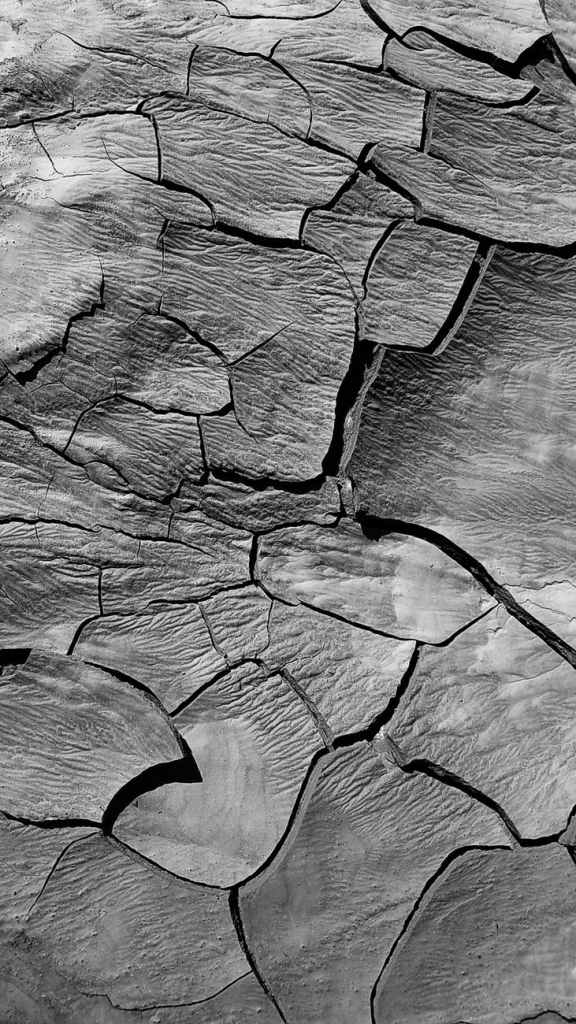
There is currently enough water to support the human population, it is down to how we use this water and how we share it that will determine the level of water scarcity we face in the future.

Abraham Lincoln once said that when the well is dry we will know the worth of water, let’s try to know the worth of and protect this vital resource before we use the last drop.
Categories
Current Affairs News virus

Vaccinations, Smallpox and COVID_19

With the outbreak of COVID_19 disease has been at the forefront of the world’s mind. Health officials warn that the spread of the disease may continue to increase and so far, there is no working vaccine to prevent the spread of the virus. What of the diseases that already exist though?

This is not the first disease that humanity has faced and the rise of vaccinations has meant that we can now prevent the spread of diseases that once brought populations to their knees.

Diseases such as polio, rubella, tetanus and diphtheria that once presented a global threat have become far less common. Perhaps most famously, the Smallpox virus that once killed millions and spread through populations all over the world was eradicated in 1980. So how what exactly are vaccines? How reliable are they? And why are there communities in the world that refuse to use them?

What is a Vaccine?

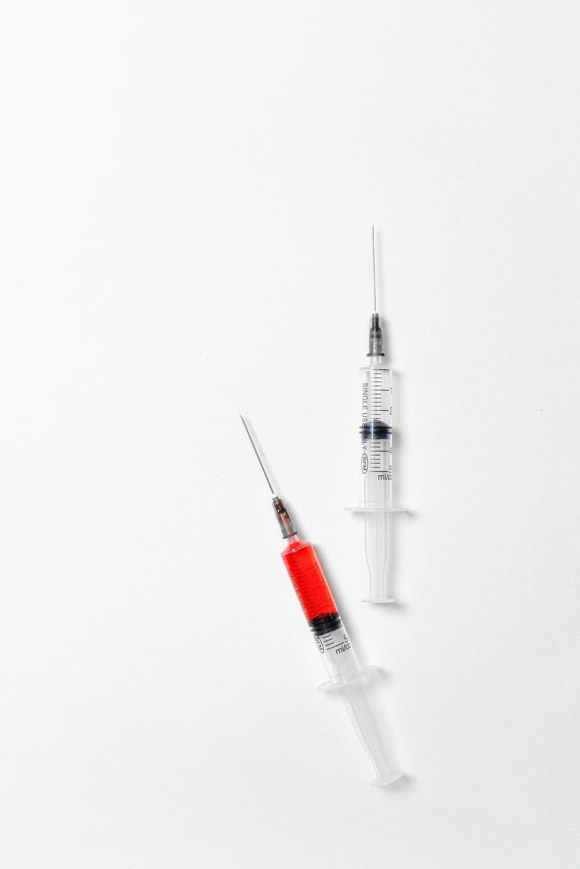
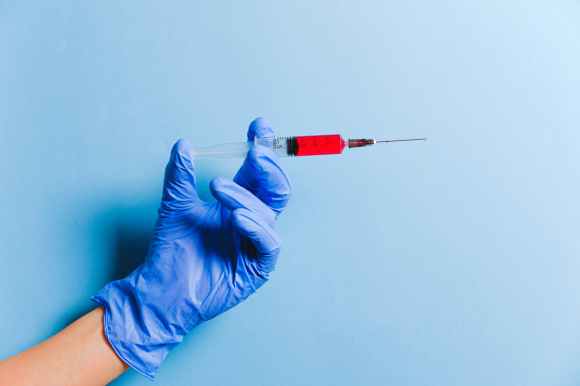
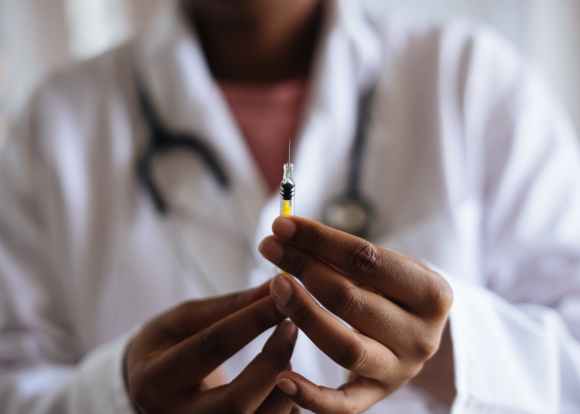
Vaccines are used to prevent diseases through injecting the body with something that looks like the disease. This allows the immune system to create antibodies without the person actually having the disease. Sort of like a practice run.  This means that if the body comes into contact with the disease it can quickly create the correct antibodies to stop the disease infecting the person.

So, Where do Vaccines Come From?

Vaccinations were first invented in the late 1700s when surgeon, Edward Jenner, observed that milkmaids who came into contact with the non-fatal cowpox were rarely effected in smallpox outbreaks. From this he discovered that being infected with the non- fatal cowpox strand prevented the maid from catching smallpox, thus creating the first vaccination. By the mid 20th century vaccination research was rapidly expanded and vaccinations for many common diseases began to be developed and distributed. Since that time vaccinations have become widespread ways to control and prevent infectious diseases.

So how reliable are they? In short, very. Nothing is ever completely foolproof but on average childhood vaccines are 85-95% effective. If the majority of a population is vaccinated there is also the aspect of herd immunity. Herd immunity makes it much harder for diseases to spread and lowers the risk of infection for those that aren’t or can’t be vaccinated. In simple terms, a vaccinated population will survive.

So, why would anyone refuse this medical miracle? Largely, this is due to misinformation.

The Anti-Vax Movement

A large aspect of the anti-vax movement is based on a report published in 1998 by Andrew Wakefield that claimed there was a link between vaccinations and autism. This report has since been debunked but the fears it created have remained and grown. This is in part because of the success of vaccines, many parents believe that the diseases vaccines protect against are not a threat because they have not seen them in their full force, while conditions such as autism are prevalent in the community. The current scientific consensus is that there is no link between vaccines and conditions such as autism and that a drop in vaccination rates is highly dangerous. It provides a situation in which diseases can rapidly spread, re-emerge and in some cases mutate to create far more dangerous strains. Recent outbreaks of the Measles in the US and Samoa have been reported to be exacerbated by anti-vax movements. The loss of herd immunity also poses a severe risk to those that can’t be vaccinated such as very young children and those undergoing some cancer treatments.

Vaccinations are possibly one of the most important medical breakthroughs. They have allowed us to eradicate and control diseases that humanity has battled throughout our history and saved countless people from suffering and death. As can be seen with COVID_19 and with recent outbreaks of Ebola, MERS and SARS one of the greatest threats to our species comes from the world of disease and vaccinations are perhaps one of the greatest weapons we have in the battle for survival on this planet.

Categories
Current Affairs News Uncategorized

Foundations Built on Sand

We use it to tick away the minutes in hour glasses, curse the amount of it that we track back into our houses after a trip to the beach and post quotes featuring footprints in it to our Instagram pages in our weaker moments, sand it seems is everywhere.

Skyscrapers, Windshields and iPhones

Sand, however, may not be everywhere for long. Yes, those little grains we give very little thought to are running out. Sand is what we have built our cities out of, created our phones from and is even found in most car windscreens. Sand is the primary component in concrete, melted down the make glass and used to create silicon. Sand is, quite literally, everywhere. Sand comes second only to water when it comes to the most used natural resource in the word, with over 50 billion tonnes of the stuff used every year.

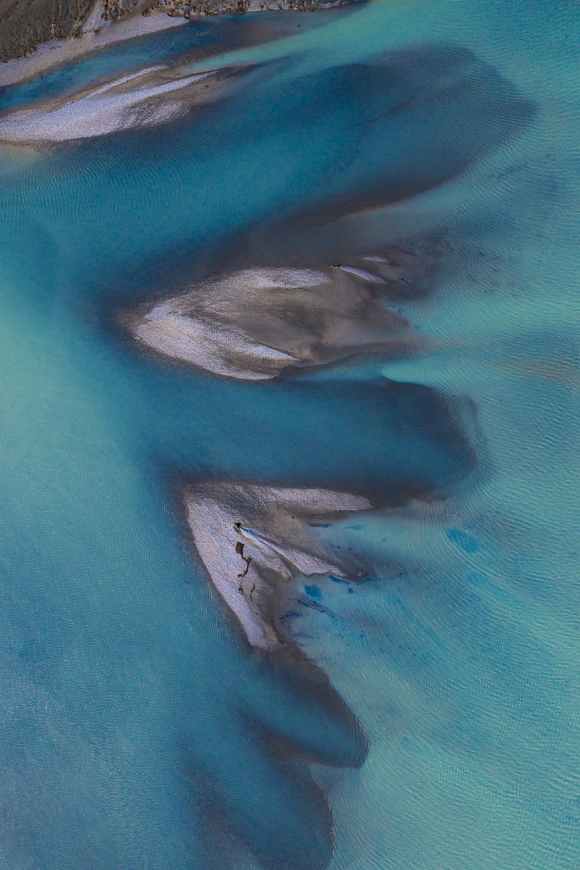
Now, the world has sand, one look at the Sahara or an image of the Kalahari from space and that is easy to see. The issue comes with the fact that not all sand is created equal. Desert sand is generally eroded by wind rather than water and as such, is the wrong shape to bind correctly when used to create substances such as concrete. Sand eroded by water and found in river beds, floodplains and beaches is what is used for construction purposes, the industry that makes up the main bulk of our sand consumption. This is the sand that is running out.

Sand Mining and Urbanisation

A large driver of this is the rate of urbanisation. As more people are moving to more cities, new buildings and roads need to be built and these are all built out of sand. The annual amount of construction sand used each year in India has tripled since 2000 and Dubai has such a demand for particular types of sand used for construction that it buys it in huge quantities from Australia. Sand is also being used to literally create more land. Countries including Nigeria, China, The US, Singapore and The UAE have all dredged ocean sand to create new land. This creates long term and often disastrous effects for the natural eco-system.

Mining sand for construction purposes is equally destructive, the churned up sediment created from river bed dredging can disrupt ecosystems and kill plant and aquatic life. Many experts believe that sand mining is a key contributing factor to the shrinking of the Mekong Delta, an area home to a diverse ecosystem, a main area of food production for Vietnam and home to over 20 million people.
To make a bad situation worse, riverbed dredging can cause increases in riverbank collapses, causing further destruction to croplands, homes and eco-systems, and sand mining had been linked to deadly bridge collapses in Portugal and Taiwan.

The Violent Underbelly of the Sand Trade

The sand trade has gotten so lucrative that criminal groups have started controlling the trade in some areas and creating a virtual slave labour in sand mines. In addition there have murders linked to the sand trade and violence in India, Gambia, Indonesia and Kenya has been reported as result of criminal groups operating in the sand trade.

Urbanisation shows little signs of slowing and construction materials are going to remain a highly sought after commodity. As a result, scientists are trying to come up with alternative materials to make concrete from, exploring options such as shredded plastic and rice husks. Methods to more efficiently recycle concrete and glass and create ways to make these products with less sand are also being explored. For now though, we have built our foundations out of sand, the problem is that only makes the ground we have built them on that much more unstable.

Categories
Current Affairs News

Overpopulation, the Lesson from the Super Villains

Overpopulation, the one crisis that movie super villains seem to fixate on. From Valentine in Kingsmen to Thanos in The Avengers, villains really seem to care about humanity’s swelling numbers and the impact this creates. The question though comes with is it something that we should be taking more notice of?

The human population has been rising steadily since the Black Death ended in the 1300s, the most significant rise in population though has occurred within the last 100 years. Since the 1920s the human population has grown by 5.7 billion people. As of February 2020, there are thought to be close to 7.7 billion people on Earth and that number is only set to rise, reaching 9.8 billion people by 2050. 

Population Booms in a World of Limited Resources

Although fertility rates are dropping in many countries, third-world nations are still reporting high fertility rates. The UN has reported that 26 African countries are predicted to double their size by 2050 and every continent except Europe and Antarctica is forecasted to continue experiencing population growth over the next 80 years.

This population boom creates a significant challenge in the management and distribution of resources, disposal of waste and land management. Quite simply put, more people need more resources, more space and create more waste. The world however does not offer unlimited resources and this increased demand creates a system that the world will not be able to continue to sustain. Alongside uncontrolled population growth are projected food and water shortages, possibly leading to increased conflict in many areas, increased pollution and increased damage to the environment, further exacerbating global warming and climate change.

It may sound like these super villains might have been onto something with their concern. However, don’t go searching for the infinity stones yet, there are far less drastic ways to control population growth and limit the effects of an increasing amount of people sharing the planet. The first comes quite simply by using fewer resources. The average middle- class American consumes 250 times more water and 3.3 times more food than is needed to survive, cutting down on our over-usage of resources on a global scale will vastly limit the impacts of a swelling population.

The Power of Education and Family Planning

Another solution comes with education. Research has shown that the more educated a population, particularly the female population, is of a country, the lower the birth rate. A study in Ghana showed that women who had completed high school had a birth rate of two to three children whereas women who had no education had an average of six children. This trend can also be observed on a global scale. In Canada, one of the most educated countries the average birth rate in 2019 was 1.5 births per woman. In 2019, Niger, a country with a lower level of education had an average birth rate of 6.8.

Increasing access to family planning programs and lowering the cost and improving the access to contraceptive treatments is another proven method to reduce population growth. Some groups are also advocating for governments to provide incentives for families to have less children.

Creating lifestyle changes and reducing carbon emissions is another way that the impacts of overpopulation can be managed and reduced. Switching to green energy sources, reducing meat consumption, increasing recycling and promoting more sustainable farming methods can all create a positive impact.

So, is overpopulation something we should be taking notice of? Yes. However, before you dedicate yourself to the life of a super villain, there are ways it can be managed and slowed to ensure a bright future for all of us.

Categories
Current Affairs News Uncategorized

You’re Fired! (Or Maybe Not)

Donald Trump, whether you swing to the left or the right side of the political spectrum you can’t avoid the man. The billionaire politician that has made a name for himself judging fashion shows, demonising minorities, trying to build an unscalable wall and holding onto the role of presidency tighter than a toddler to a lollipop. Recently Trump has again maintained his iron grip on the Oval Office as he was acquitted in his impeachment trial. A trial in which Trump was acquitted of the charges of abuse of power and obstruction of congress. A trial in which Trump was 20 votes in the US Senate short of losing. And a trial that those that testified and voted against Trump in are already starting to hear that famous phrase of his “You’re fired!”
This however raises the question of what does it mean to be President in a country that has for so long prided itself as the land of the free? The American Dream has always been one that is marketed as a rags to riches story with freedom and triumph over prejudice as its central theme. The statue of liberty boldly displays the Emma Lazarus quote Give me your tired, your poor, your huddled masses yearning to breathe free. The wretched refuse of your teeming shore. Send these the homeless, tempest tossed to me, I lift my lamp beside the golden door. The question though is raised of what does this sentiment mean in a modern world and in a country under a president that does not often represent this sentiment?

When a president can mock a sixteen year old activist on Twitter, separate toddlers from their parents at the border and brag about assaulting women, what does that mean for the country he rules? A land of the free cannot mean free for only a select group of people, after all the founding fathers wrote We, the People, not Some of us, the People.
The impeachment hearing may be over and once again Mr. Trump may have held onto his shiny desk in that historic office and whoever you support politically, the political landscape can currently seem rather bleak. There is, though, still light in this tunnel. That light lies with you. The double-edged sword of freedom and democracy means that whatever politics you support you have the right to support it, you can make the change. Whether that is through voting in the next election, educating yourself on what is happening, joining a movement you believe in or simply being kind to your neighbour, the power and the future of the land of the free lies with you. So whether you choose to follow Gandhi’s example of be the change you wish to see in the world or simply the words of Dr. Seuss’ Lorax, unless someone like you cares a whole awful lot, nothing is going to get better, its not, the future is in your hands.  
Categories
Current Affairs News Uncategorized virus

How to Survive the Next Pandemic, Lessons from the Zombie Apocalypse

If there is anything that the televisions and film industry has taught us over the last ten years it is that the apocalypse will most likely come not from rocks hurtling from space or mushroom clouds on the horizon but from microscopic organisms and particles that we can not see or hear or shoot at.

From The Walking Dead to Twelve Monkeys to Contagion we have seen the story written in the same way with the same core villain, a transmissible, debilitating, evil disease.

But the question left after the credits have rolled and the actors have taken their bows and the day has inevitably been saved is how accurate is this script? And what do we do about it?

SARS, the Spanish Flu and the Justinian Plague

With the discovery of new and novel viruses such as SARS, H1N1 and recently the new Coronavirus 2019nCov, the impact and the devastation that diseases can cause has been in the forefront of the world’s mind. This, however, is not a new story, humanity has faced pandemics in the past, including the Justinian Plague which some experts believe killed up to a quarter of the population in the Eastern Mediterranean in the sixth century, the Black Death that ravaged Europe in the 1300s and the Spanish Flu that in the twentieth century wiped out 5% of the world population in only two years

We have learned since these times though, we have improved containment and detection measures, increased treatment capabilities and vaccinations and created organisations to combat such disasters. New diseases, however, still keep popping up with an average of five new diseases each year, many of the most dangerous jumping from animal to human populations. The interconnectedness of the world creates another risk, with viruses now able to travel through diverse populations with great ease and speed, as was seen with the SARS virus which infected people in 26 countries after originating in South East China, and the 2019nCov which has as of the third of February travelled to 25 countries.

Many experts believe that at some unknown point, the next global pandemic will be inevitable, whether this pandemic will be relatively benign or one to end us all is still yet to be seen.

What Do We Do About It?

Which brings us to the next issue, what do we do about it?
Governments and organisations around the world have been preparing for the next threat from the shadowy world of viruses for years, increasing measures to identify, contain and treat any new, emerging or mutating diseases. Combating issues such as global warming and climate change also may potentially slow or prevent new diseases emerging, as melting permafrost can cause new viruses to be exposed. Reducing logging and creating more sustainable farming methods to avoid wildlife and human populations from having to share the same spaces may also help stave off our doom.  

Rick Grimes and the First Rule of Zombieland

On a more personal level, Columbus from Zombieland may not have had it completely wrong when he claimed the first rule of Zombieland is Cardio. Healthy populations have stronger immune systems and as such greater resistance to threats.

In addition, listening to health care organisations and following their instructions may help limit the effects of pandemics in the future.

Another lesson for surviving the next pandemic, don’t panic. Humanity has faced viruses since the beginning of life on Earth and will continue to face them, we have won this race before. Technology is always improving and protocols are always getting better.

And, the final lesson from the world TV and movies for surviving the next pandemic, as said by Rick Grimes, we survive this by pulling together not apart. If there is one thing that all these stories have in common it is the enduring hope and perseverance of humanity, and the fact that in the worst of times we find our strength in each other. That perhaps will be what in the end will save us all.
So roll the credits and take a bow, because as per

the script we are here to inevitably save the day.

Categories
Current Affairs News Uncategorized

Welcome to The News Reel

The News. Those very words can cause a sense of anxiety, it used to be a simple affair, that man in his suit and tie welcoming us all from his carefully mundane news set. Not anymore. Now the news is a reel of events that seem like they would fit better in an anxiety inducing movie plot. Climate change to the Amazon burning down, deadly viruses, dictators and worker exploitation it can be a tough thing to follow. We are here to bring you the latest stories and to give you a survival guide of the terror inducing plot of worldwide news, your how to manual for surviving the zombie apocalypse affair that comes to life on your Facebook feed. Take a breath, we are here to help. So reporting live in three, two, one… Welcome to The News Reel.

Design a site like this with WordPress.com
Get started