With the outbreak of COVID_19 disease has been at the forefront of the world’s mind. Health officials warn that the spread of the disease may continue to increase and so far, there is no working vaccine to prevent the spread of the virus. What of the diseases that already exist though?
This is not the first disease that humanity has faced and the rise of vaccinations has meant that we can now prevent the spread of diseases that once brought populations to their knees.
Diseases such as polio, rubella, tetanus and diphtheria that once presented a global threat have become far less common. Perhaps most famously, the Smallpox virus that once killed millions and spread through populations all over the world was eradicated in 1980. So how what exactly are vaccines? How reliable are they? And why are there communities in the world that refuse to use them?
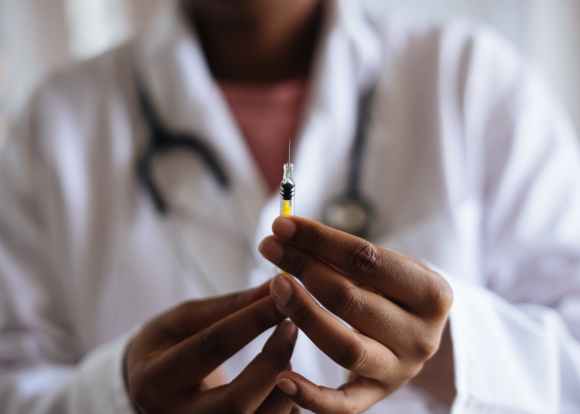
Photo by Retha Ferguson on Pexels.com 
Photo by Anna Shvets on Pexels.com 
Photo by Pixabay on Pexels.com
What is a Vaccine?
Vaccines are used to prevent diseases through injecting the body with something that looks like the disease. This allows the immune system to create antibodies without the person actually having the disease. Sort of like a practice run. This means that if the body comes into contact with the disease it can quickly create the correct antibodies to stop the disease infecting the person.
So, Where do Vaccines Come From?
Vaccinations were first invented in the late 1700s when surgeon, Edward Jenner, observed that milkmaids who came into contact with the non-fatal cowpox were rarely effected in smallpox outbreaks. From this he discovered that being infected with the non- fatal cowpox strand prevented the maid from catching smallpox, thus creating the first vaccination. By the mid 20th century vaccination research was rapidly expanded and vaccinations for many common diseases began to be developed and distributed. Since that time vaccinations have become widespread ways to control and prevent infectious diseases.
So how reliable are they? In short, very. Nothing is ever completely foolproof but on average childhood vaccines are 85-95% effective. If the majority of a population is vaccinated there is also the aspect of herd immunity. Herd immunity makes it much harder for diseases to spread and lowers the risk of infection for those that aren’t or can’t be vaccinated. In simple terms, a vaccinated population will survive.
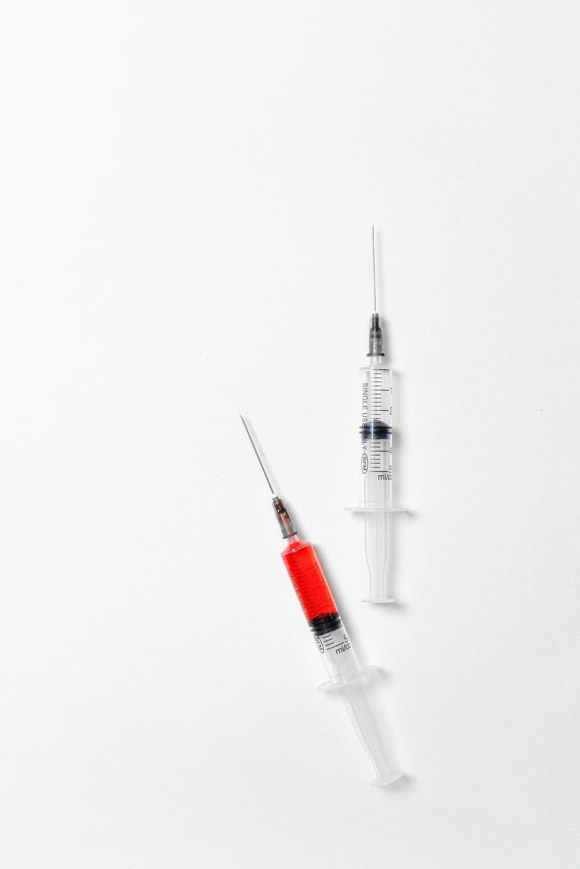
Photo by Anna Shvets on Pexels.com 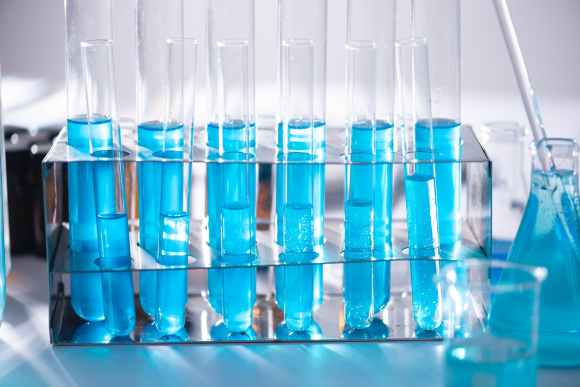
Photo by Chokniti Khongchum on Pexels.com 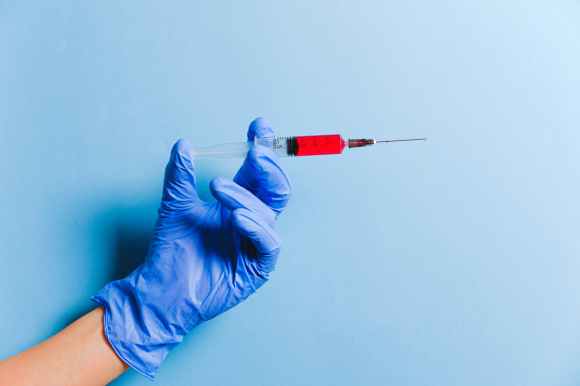
Photo by Anna Shvets on Pexels.com
So, why would anyone refuse this medical miracle? Largely, this is due to misinformation.
The Anti-Vax Movement
A large aspect of the anti-vax movement is based on a report published in 1998 by Andrew Wakefield that claimed there was a link between vaccinations and autism. This report has since been debunked but the fears it created have remained and grown. This is in part because of the success of vaccines, many parents believe that the diseases vaccines protect against are not a threat because they have not seen them in their full force, while conditions such as autism are prevalent in the community. The current scientific consensus is that there is no link between vaccines and conditions such as autism and that a drop in vaccination rates is highly dangerous. It provides a situation in which diseases can rapidly spread, re-emerge and in some cases mutate to create far more dangerous strains. Recent outbreaks of the Measles in the US and Samoa have been reported to be exacerbated by anti-vax movements. The loss of herd immunity also poses a severe risk to those that can’t be vaccinated such as very young children and those undergoing some cancer treatments.
Vaccinations are possibly one of the most important medical breakthroughs. They have allowed us to eradicate and control diseases that humanity has battled throughout our history and saved countless people from suffering and death. As can be seen with COVID_19 and with recent outbreaks of Ebola, MERS and SARS one of the greatest threats to our species comes from the world of disease and vaccinations are perhaps one of the greatest weapons we have in the battle for survival on this planet.
 The News Reel