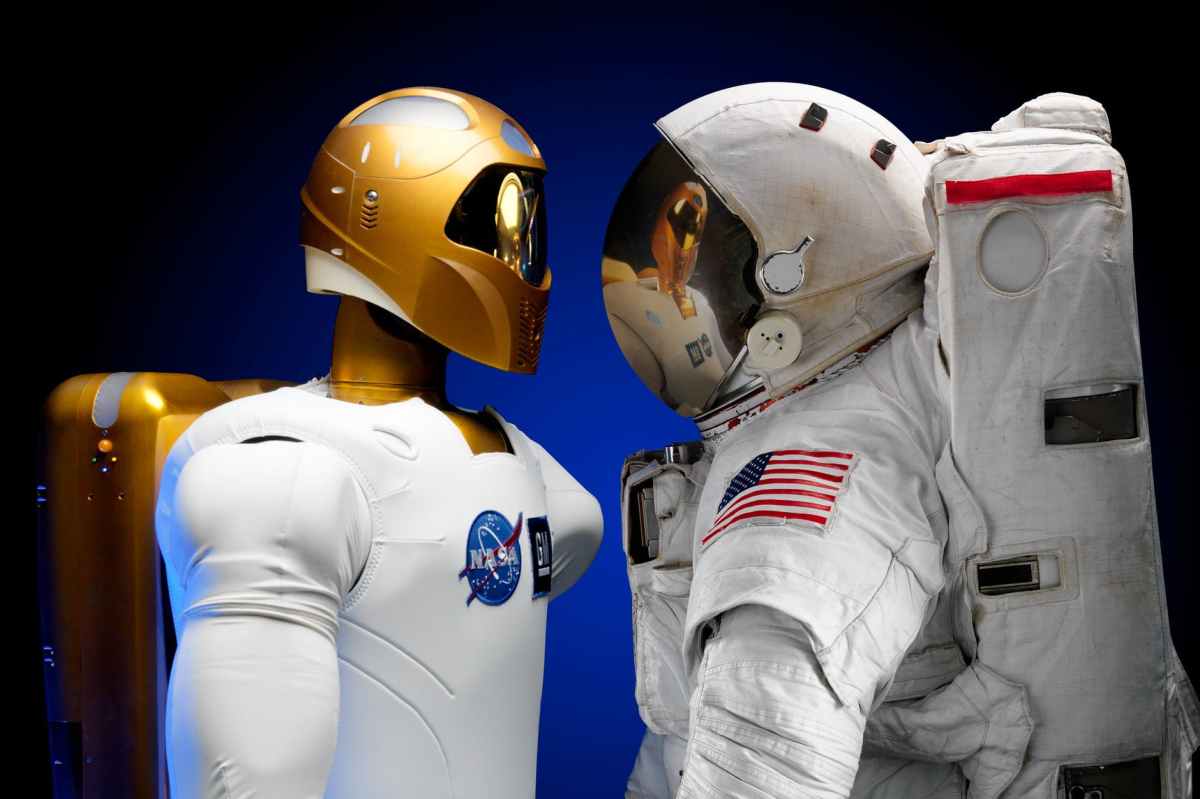
The idea of artificial intelligence has captured the imagination of people around the world for generations. We have been inundated with versions of this story from Hollywood with tales as diverse as Wall-E, Chappie and iRobot and scientist have argued of both the physical and moral implications of such an extraordinary undertaking. But, what actually are the chances of humanity building a real-life AI and if we can, should we?
Could we build an AI?
The short answer to this question is yes. Theoretically, humanity can and quite possibly will build artificial intelligence. Although they might not be quite to Hollywood’s standards, machines with forms of artificial intelligence already exist and are used in a variety of sectors and for various purposes. To be clear though, these are not the super-intelligent and self-aware robots that we immediately think of when talking about AI.

Humanity has made huge leaps in computer sciences within even the last ten years, and although at the moment we don’t have the capability to build that sort of technology it is reasonable to assume that we will and that that day may not be that far away. So if we can make AIs, then the next question comes with should we?
Should we make Artificial Intelligence?
There are experts in theoretical physics and artificial intelligence that believe that an AI may not be the worst thing and will not bring about the end of humanity but rather a new age for it.
The super-intelligence of an AI could solve problems that humanity has grappled with for years. It could create massive breakthroughs in science and healthcare and solve issues such as the climate crisis, worldwide epidemics and space travel in record time. Basically, AI would be the best things since we discovered fire. It could be the tool that humanity uses to leapfrog us into a bigger and brighter future without the pesky problem of having to wait around for evolution to catch up.
However, AI is the classic big risk, big reward gamble. Yes, it could save us all and bring about a time of peace, expansion and prosperity but it could end us all as well.
Stephen Hawking was once quoted with “The development of full artificial intelligence could spell the end of the human race.”
As full artificial intelligence is designed to learn there are fears that it could surpass the intelligence of humanity. To a super-intelligent AI its human creators may become a threat to it or just plain unnecessary and we simply couldn’t compete, we would be the neanderthals and it would be the big bad homo sapiens. We would have made our fire but burnt the forest down in the process. Basically, humanity could be superseded and be killed off or die out. Those cautionary tales that have been playing out on our TV screens may come to life and there may not be the dashing hero to save us.
Because a full AI is new territory, there is no definite way to say how it could all play out and whether it would propel humanity forward or as Stephen Hawking predicted, spell our doom, at the moment is anyone’s guess.
But is it alive?
This perhaps is one of the biggest of the many moral questions surrounding artificial intelligence, when does something become alive? If we can develop something capable of learning and thinking, and possibly even feeling, then what right to life and freedom should it have? And if we can create that what does that make us? What does it truly mean to be alive? That is one of the questions that needs to be seriously considered before we embark down a road of artificial intelligence that we can’t walk back from.
Artificial intelligence is something that is growing more and more within our reach and soon will be something no longer reserved for science fiction. AI technology could bring about unimaginable advancements in science, healthcare, and security and usher in a new age for the human race or could be the thing that ends us all. The ability to build an AI may be coming but the question still remains, just because we can, should we?


 The News Reel