Categories
Uncategorized

Obesity: The True Cost of an Overweight World

In today’s world, it seems that everywhere we turn, on every news feed and every TV channel there are advertisements for junk food. From worldwide conglomerations to corner store candy shops, our ability to obtain sugar, fat and sodium is easier than it ever has been. Whether we go through a drive-through, find a technicolour store beckoning us in or opt for a home delivery to make us feel like kings, junk food has become the global addiction that none of us seem to be able to kick.

The World Health Organisation (WHO) reports that global obesity levels have tripled since 1975, and the majority of people in the world live in a country where more people die from being overweight than they do from being underweight. Obesity has become a global pandemic that has travelled to every continent and infected every city in the world.


The Cost of an Overweight World

With global obesity levels constantly on the rise, the effects of an overweight world can be felt far and wide.
The health effects are an obvious one, obesity has been linked to cardiovascular disease, cancer and musculoskeletal disorders. It has also been found that obesity is a risk factor for those that contract the COVID-19 Virus. The human body was not designed to carry large amounts of excess fat and obesity is a contributing factor in millions of death around the world every year.

A rise in obesity levels can also put a strain on the economy. The more unhealthy a population, the more it costs a country. Rising levels of chronic conditions requiring complex healthcare services and creating a situation in which people can not work is not conducive to making money.

Fast food outlets, often linked to being contributing factors to a rise in obesity levels, also create a significant impact on the natural environment. Increasing factors such as waste from packaging into the environment. In some areas in Australia, fast food stores have been banned in an attempt to stem the environmental impact on these areas.


What Do We Do From Here?

The good news is that the obesity epidemic is not unsolvable. We know how to prevent and how to treat obesity. Things like government policies and incentives, such as sugar taxes, to encourage people to choose healthy eating options have been found to create a positive effect in some areas. Promoting physical activity, particularly in childhood is another method that is being used to try and stem obesity levels. As lower socio-economic areas are often the worst hit by obesity, healthy eating education programs and providing easy and cheap access to healthy foods in these areas is another way to try and lower obesity levels.

Obesity is a complex problem. It has ramifications on public health, the economy and the environment and can be seen all around the world. Obesity levels may still be on the rise, fortunately though there are solutions to this problem. With a growing awareness of the dangers of obesity, countries around the globe have started to take steps to create a healthier world for us all.

For more information on the effects of obesity check out https://www.who.int/news-room/fact-sheets/detail/obesity-and-overweight

Categories
Current Affairs News Uncategorized

The Drying Well

Loren Eisley was once quoted, “if there is magic on this planet, it is contained in water.” It is one of the few things that almost all known life needs to function, can be found on every continent and is one of the first things that scientists look for when trying to find life in outer space. Water is one of the most vital resources of our planet. And yet water scarcity in on a global rise.

The Blue Planet

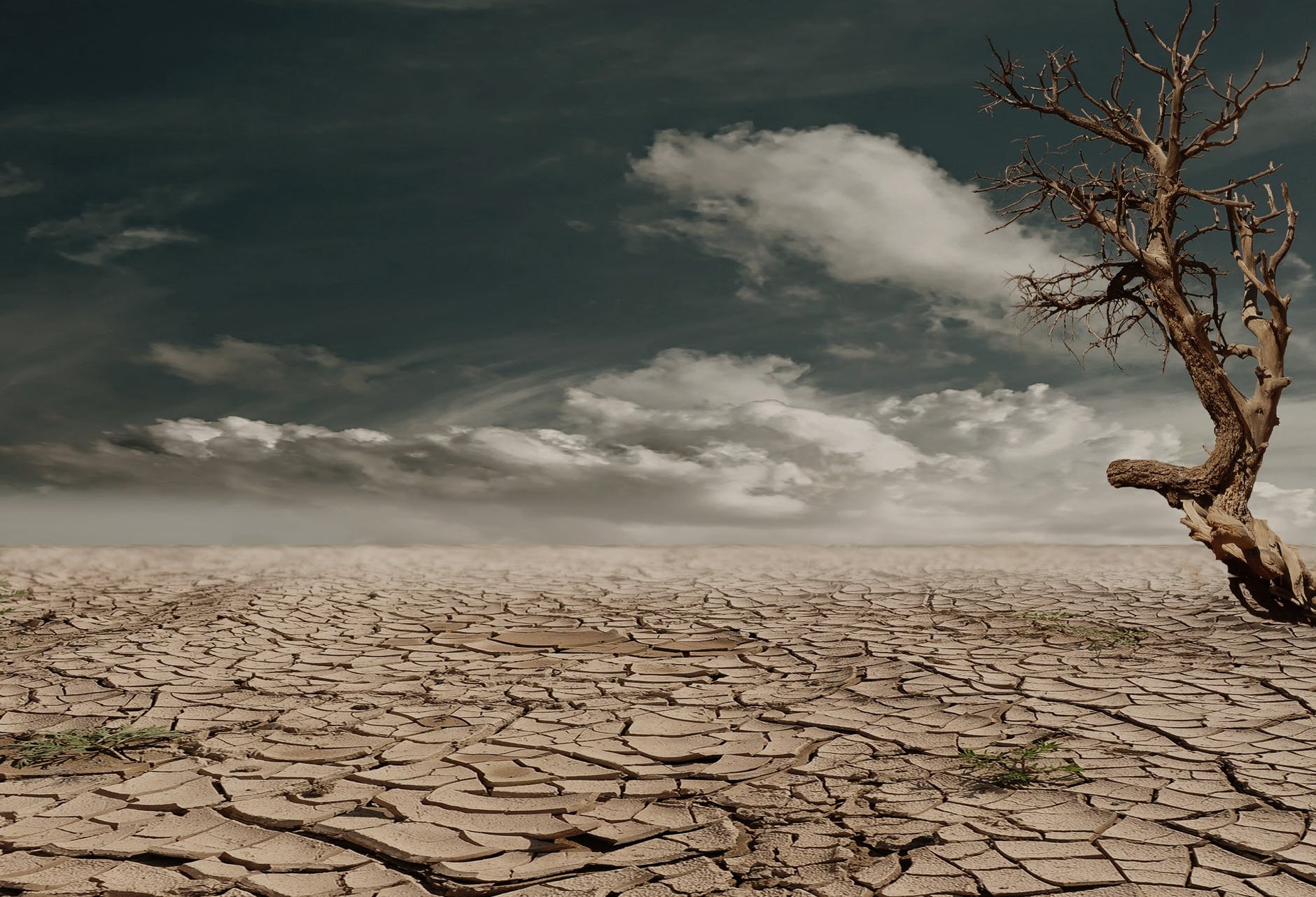
Earth is the Blue Planet. Over 70% of Earth’s surface is covered with water. However,  a lot of this water is not of great use to us, the water that sustains the majority of life is fresh water, and this is much harder to find, only 3% of the world’s water is fresh and a lot of this is not accessible, locked away in glaciers and ice shelves. Now, there is no less and no more water than there ever has been on Earth, water scarcity is not a system in which there is less water but less access to useable water. Water scarcity involves changes in the distribution of water, the number of people accessing and using fresh water and pollution making fresh water sources unusable.

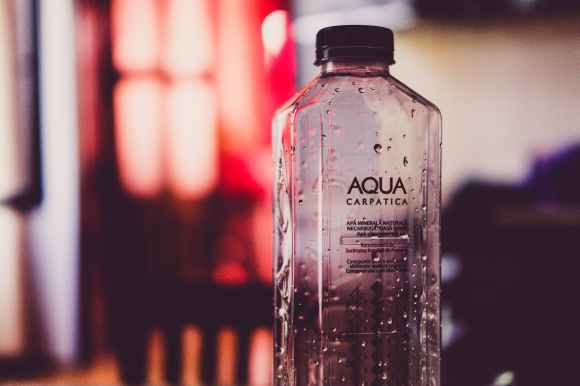
Quite simply the more people using a resource the less there is to share. Think of it as having a single bottle of water. If there is one person drinking from that bottle it lasts a lot longer. If there are five people the water runs out a lot faster and not everyone gets enough. The global human population has been increasing since the 1300s and has boomed within the last hundred years, however the amount of available water has not increased. So, going back to that bottle analogy you now have 7.7 billion people drinking, bathing, growing food and manufacturing goods from the water out of that one bottle.

Rubbish in the Lakes and Trash in the Sea

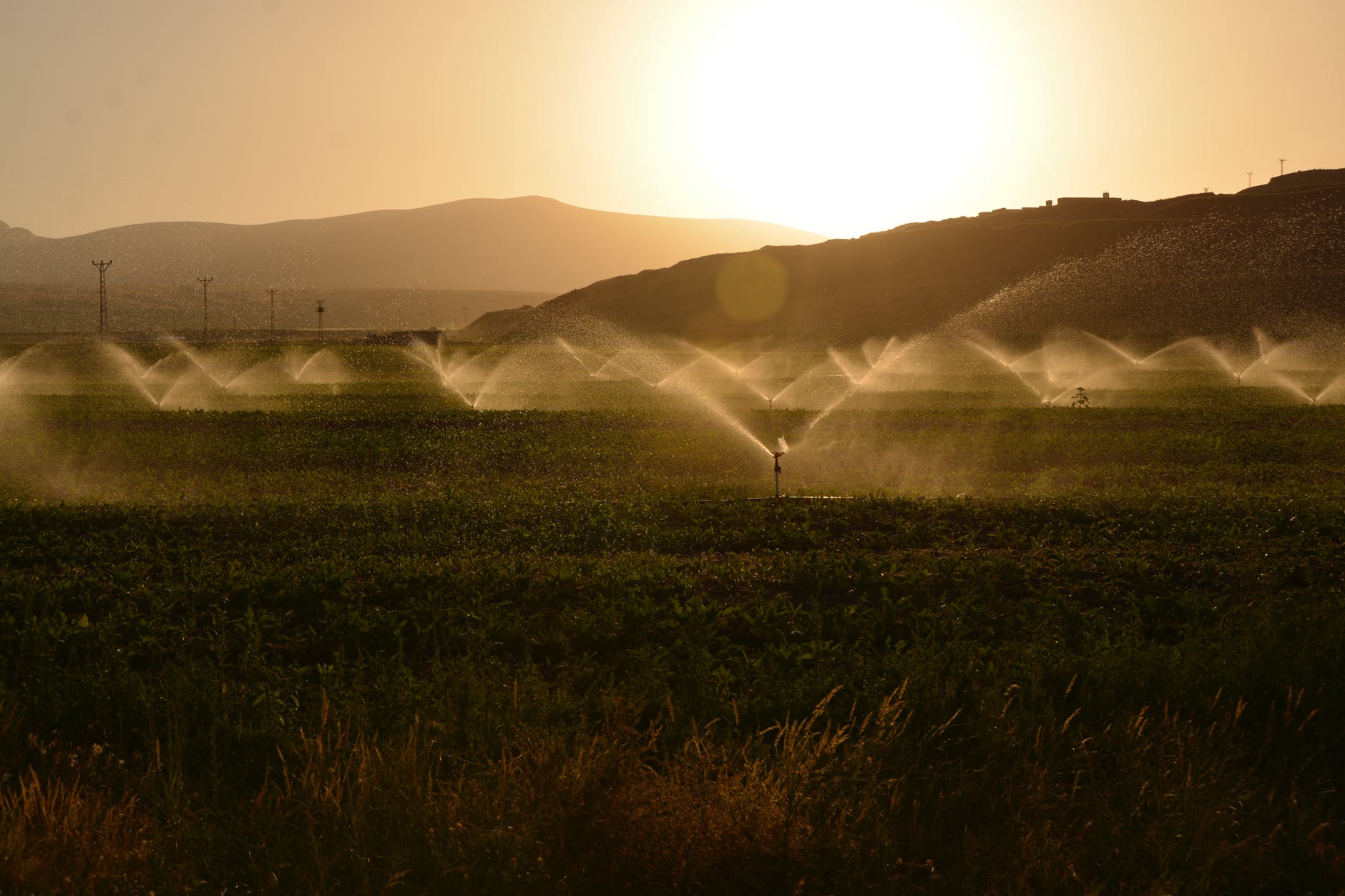
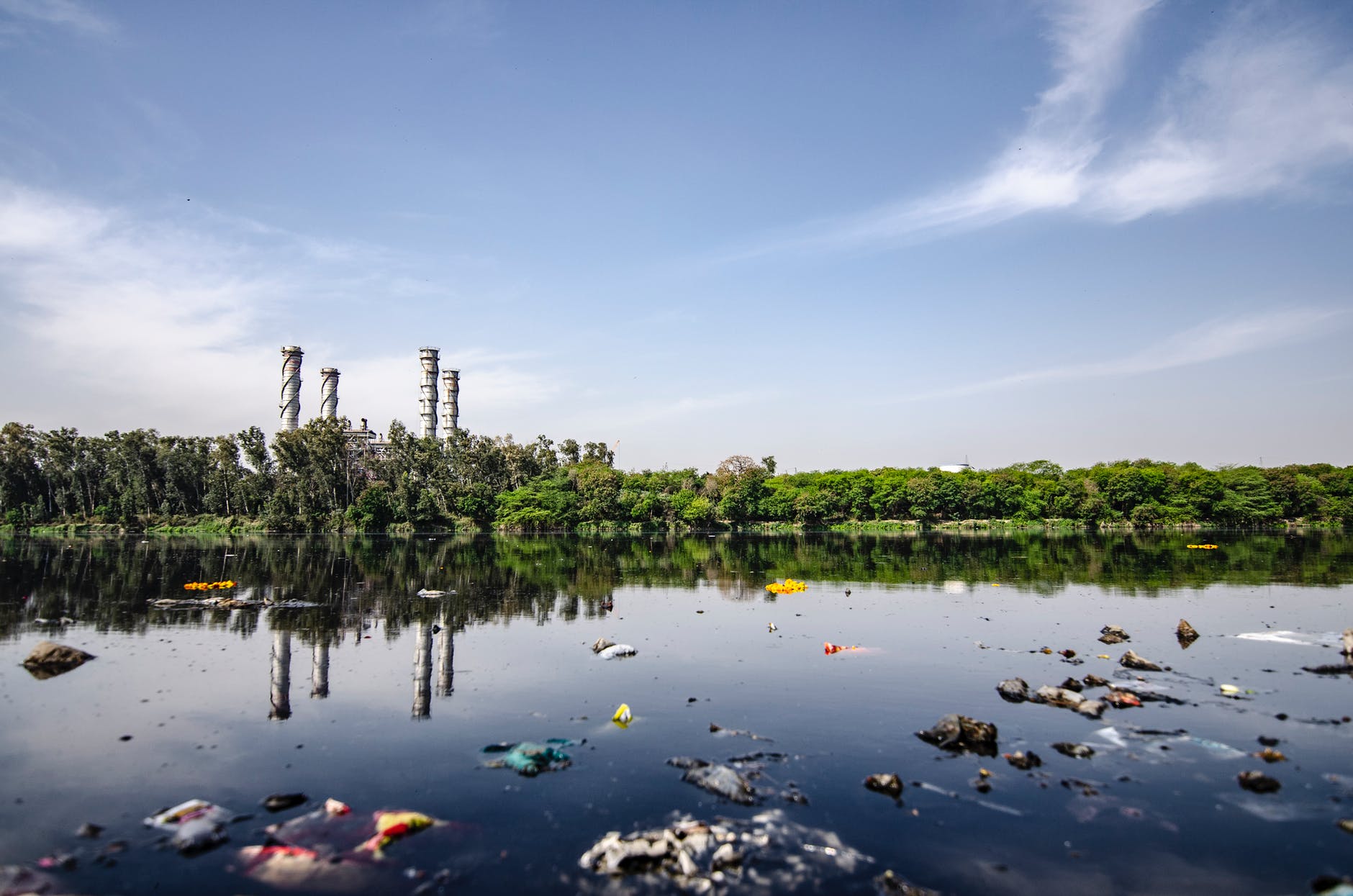
Pollution is only making this worse, as water pollution levels increase the amount of available fresh water decreases.  You can’t drink water sources contaminated with factory run off, garbage, sewage  and pesticides. Climate change can increase the severity of water scarcity, with changes in weather patterns changing the amount and location of rainfall on certain areas. Modern agricultural practices such as growing crops in unnatural areas, water consumption in factory production and high product consumption rates are causes of water scarcity in many regions with underground aquifers drained at a rapid rate.

Water is a vital resource for life and as water scarcity increases many experts believe that conflict over water resources will spark the wars of the future. Some companies and individual brokers are already purchasing water rights, claiming that water will become the new gold within their lifetime.

The Last Drops of Water in a Thirsty World

Water scarcity is already beginning to impact many populations, with over four billion people living in an area that experiences water scarcity at least once every month. The World Economic Forum has listed water scarcity as potentially one of the largest global risks. By 2040, one in four children are predicted to be living in an area of high water stress. These regions will include major cities such as Melbourne, Sao Paulo, Beijing, Cairo, Madrid and Miami. Cape Town has already experienced looming water scarcity, coming to the brink of running out of water in both 2017 and 2018.

There is currently enough water to support the human population, it is down to how we use this water and how we share it that will determine the level of water scarcity we face in the future.

Abraham Lincoln once said that when the well is dry we will know the worth of water, let’s try to know the worth of and protect this vital resource before we use the last drop.

Design a site like this with WordPress.com
Get started