It takes a great deal of courage to see the world in all it’s tainted glory and still love it.
Oscar Wilde
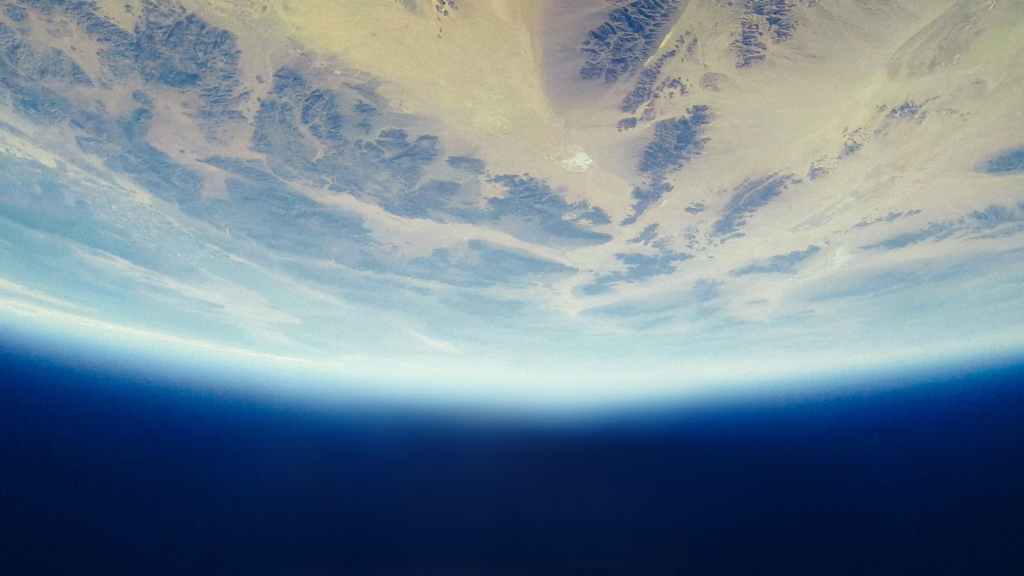
It takes a great deal of courage to see the world in all it’s tainted glory and still love it.
Oscar Wilde
Overpopulation, the one crisis that movie super villains seem to fixate on. From Valentine in Kingsmen to Thanos in The Avengers, villains really seem to care about humanity’s swelling numbers and the impact this creates. The question though comes with is it something that we should be taking more notice of?
The human population has been rising steadily since the Black Death ended in the 1300s, the most significant rise in population though has occurred within the last 100 years. Since the 1920s the human population has grown by 5.7 billion people. As of February 2020, there are thought to be close to 7.7 billion people on Earth and that number is only set to rise, reaching 9.8 billion people by 2050.


Although fertility rates are dropping in many countries, third-world nations are still reporting high fertility rates. The UN has reported that 26 African countries are predicted to double their size by 2050 and every continent except Europe and Antarctica is forecasted to continue experiencing population growth over the next 80 years.
This population boom creates a significant challenge in the management and distribution of resources, disposal of waste and land management. Quite simply put, more people need more resources, more space and create more waste. The world however does not offer unlimited resources and this increased demand creates a system that the world will not be able to continue to sustain. Alongside uncontrolled population growth are projected food and water shortages, possibly leading to increased conflict in many areas, increased pollution and increased damage to the environment, further exacerbating global warming and climate change.
It may sound like these super villains might have been onto something with their concern. However, don’t go searching for the infinity stones yet, there are far less drastic ways to control population growth and limit the effects of an increasing amount of people sharing the planet. The first comes quite simply by using fewer resources. The average middle- class American consumes 250 times more water and 3.3 times more food than is needed to survive, cutting down on our over-usage of resources on a global scale will vastly limit the impacts of a swelling population.
Another solution comes with education. Research has shown that the more educated a population, particularly the female population, is of a country, the lower the birth rate. A study in Ghana showed that women who had completed high school had a birth rate of two to three children whereas women who had no education had an average of six children. This trend can also be observed on a global scale. In Canada, one of the most educated countries the average birth rate in 2019 was 1.5 births per woman. In 2019, Niger, a country with a lower level of education had an average birth rate of 6.8.

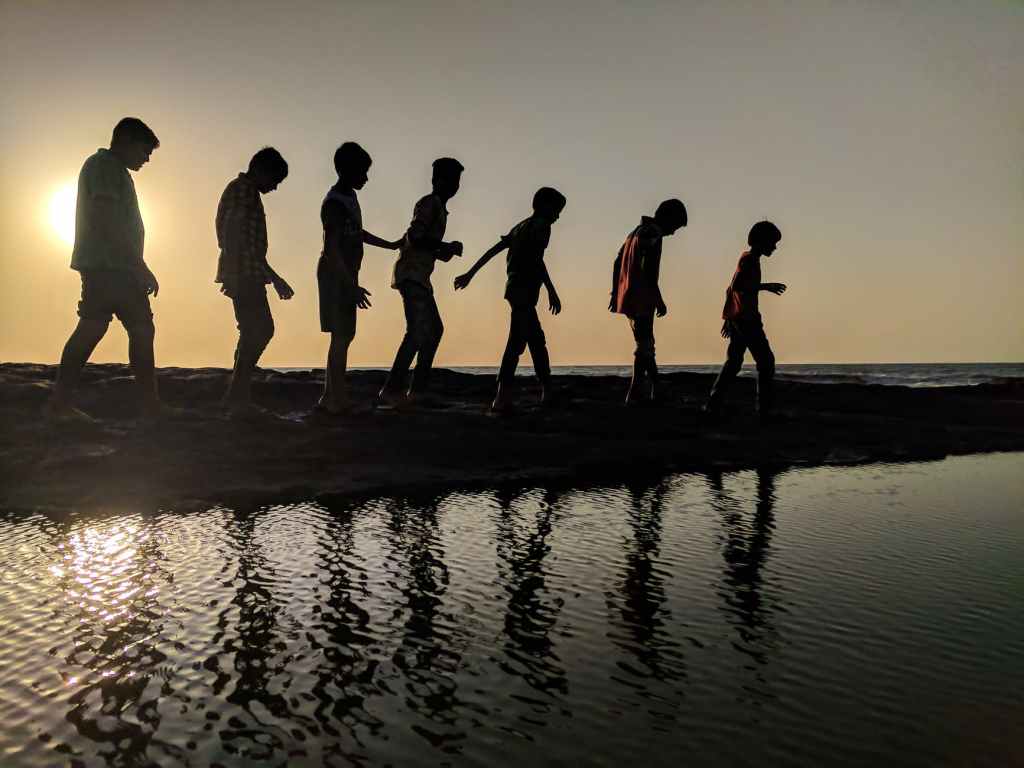

Increasing access to family planning programs and lowering the cost and improving the access to contraceptive treatments is another proven method to reduce population growth. Some groups are also advocating for governments to provide incentives for families to have less children.
Creating lifestyle changes and reducing carbon emissions is another way that the impacts of overpopulation can be managed and reduced. Switching to green energy sources, reducing meat consumption, increasing recycling and promoting more sustainable farming methods can all create a positive impact.
So, is overpopulation something we should be taking notice of? Yes. However, before you dedicate yourself to the life of a super villain, there are ways it can be managed and slowed to ensure a bright future for all of us.
Old age. It sneaks up on us all the way that Hemingway says bankruptcy does, gradually and then suddenly. Old age though is now sneaking up on an ever-increasing population, in the US alone it is estimated that the number of people over 65 will rise from 47 million in 2015 to 88 million in 2050.
Meanwhile, on a global scale the over 65 population is expected to rise from 352 million in 2010 to 1.5 billion in 2050, for the first time in human history the over 65 population will exceed the under 5 population. This massive demographical shift is largely due to increases in medical capabilities and increased life expectancy partnered with falling fertility rates.
An increase in life expectancy is largely thought of as a great thing, the issue comes, as it does with many great things, with how do we afford it? Maybe Hemingway was onto something with the bankruptcy as well.
The economy is not keeping up with this increase in longevity. Estimates state that in the US alone 10 million people over the age of 65 are still in the workforce, a number that has doubled since 1985 and most households are not saving a sufficient amount for retirement. If nothing changes, these numbers are only going to grow.
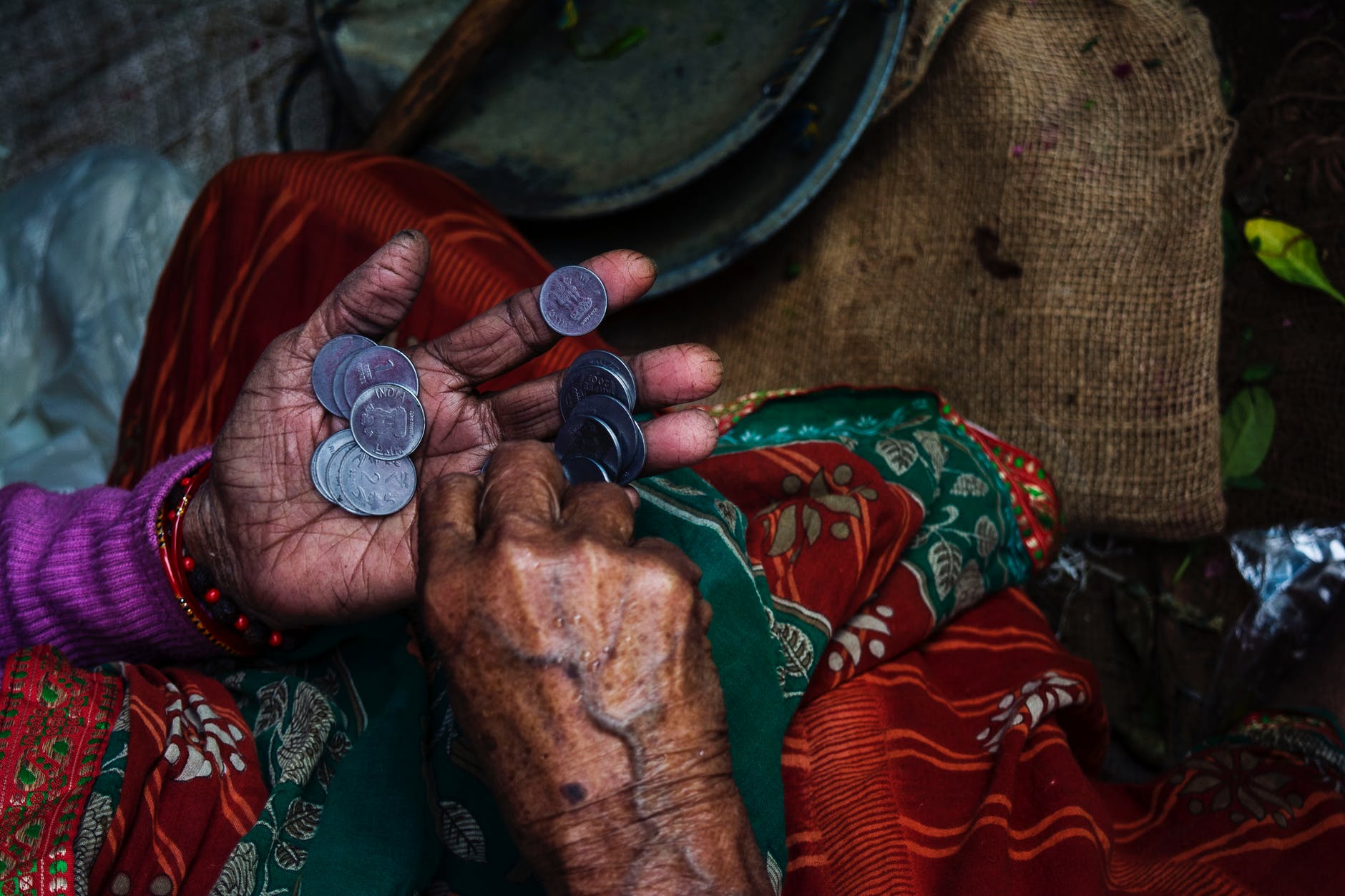
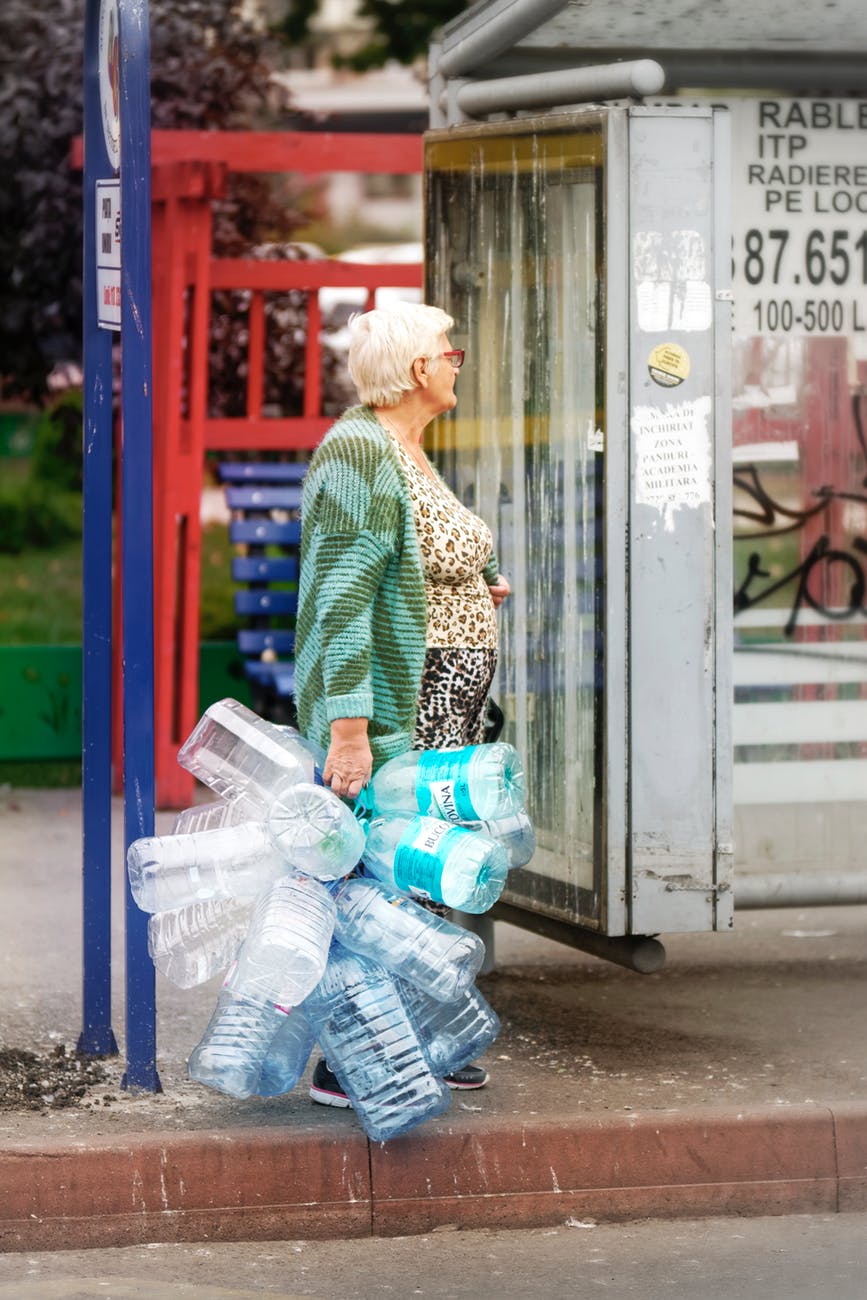


Increases in the likelihood and severity of chronic conditions in older populations such as heart disease, Alzheimer’s and diabetes coupled with an inability to work creates a large burden on both national and global economies. The health sector in particular will take the hit of an ageing population with an increase in costs and staffing levels to keep up with this change in demographics. As well as health care, an increase in pensions will create another financial challenge for economies to deal with.
There are however innovative solutions to keep up with this changing demographic, in the words of another great wordsmith, the times they are a changing. The trick is to change with them.
Finland, a country with one of the oldest populations in Europe, has launched an initiative to provide access to fitness and cultural centres such as public pools, gyms, libraries and museums at discounted prices to older groups, with the aim of creating a healthier population. In one town gym access is free to over 65s in the hopes of creating decreases in health expenditure over the long term.
Finland also encourages older populations to volunteer in the community, providing an avenue for connection and stimulation across generational divides and providing a way for older people to still positively contribute to the community.
The World Health Organisation has also advised that investing more time and resources into improving childhood health could limit the healthcare burden of an increased older population. Many health issues in old age stem from childhood circumstances such as poor nutrition or exercise levels. As such older generations would be healthier, could work longer and have increased quality of life if a healthy lifestyle is promoted from childhood.


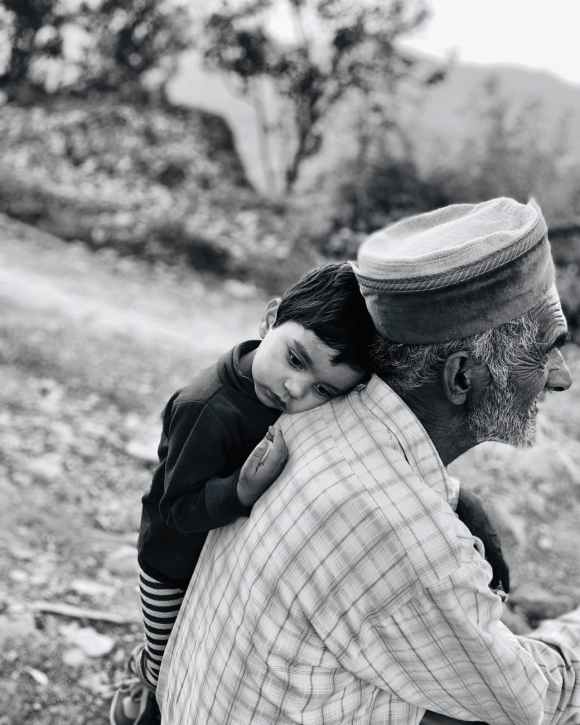
Old age is coming for us all and with advancements in technology and changes in cultural norms the ageing population is and will continue to increase. Despite the challenges this may bring there are ways these challenges can be combated. To paraphrase Lucas Graham, soon we’ll be sixty years old, so we better be prepared.
 The News Reel